



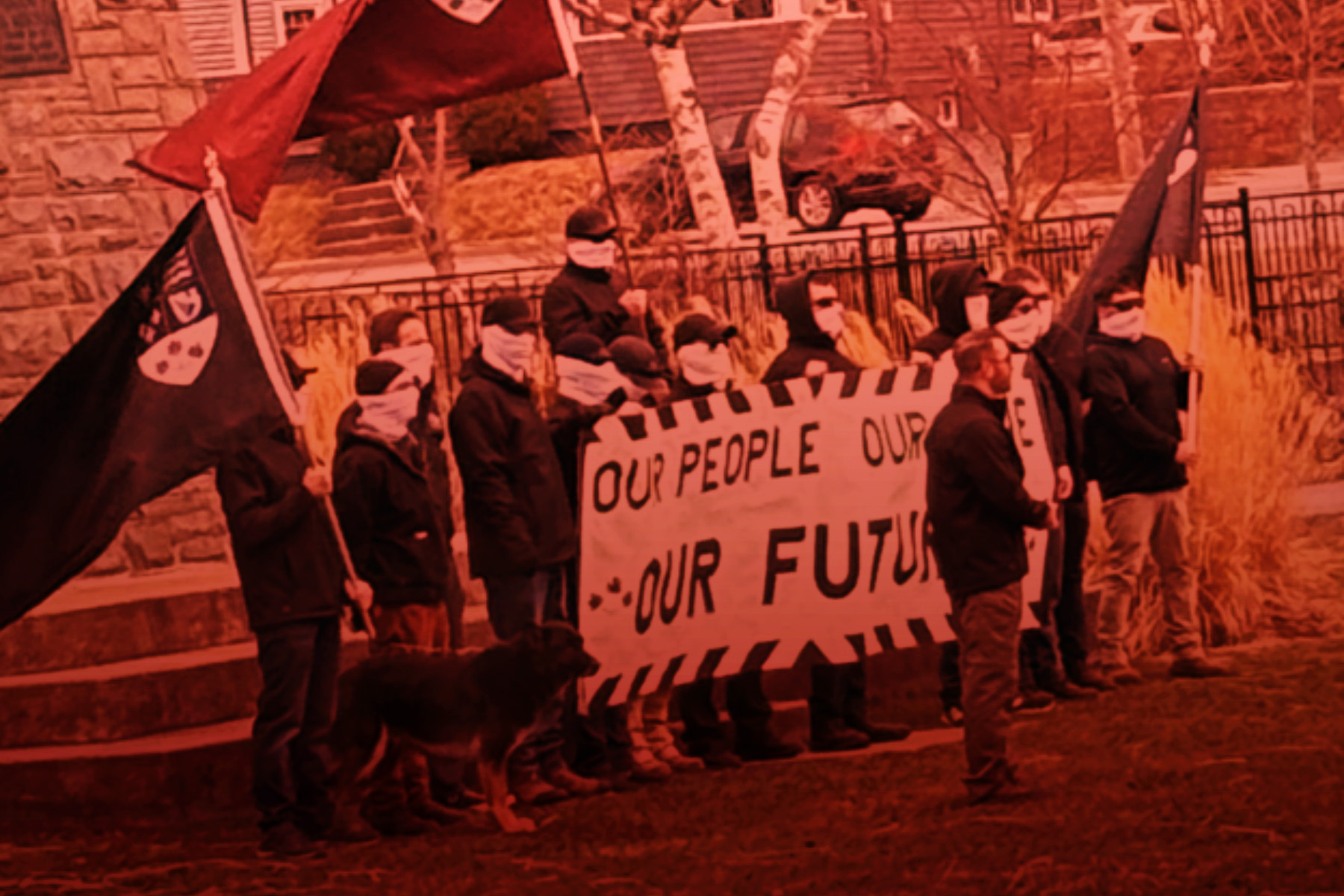
A recent rally in Toronto highlighted the growing presence of white nationalist and neo-Nazi groups in Canada, countering the perception that such extremism is solely an American issue. Participants chanted slogans denouncing Diversity, Equity, and Inclusion (D.E.I.) and calling for mass deportations. The article traces white supremacy’s roots in Canada, noting historical acts of cultural and literal genocide against Indigenous peoples and discriminatory immigration policies. The rise of the “alt-right” and the emergence of groups like Diagolon, led by streamer Jeremy MacKenzie, signify a shift from online to in-person activism.
These groups, often masked as “fitness clubs” or “men’s clubs,” pursue recruitment and training under the guise of camaraderie. MacKenzie now heads Second Sons Canada, a prominent white nationalist group with strict membership policies. Despite their claims of non-violence, their rhetoric suggests imminent conflict.
The “Freedom Convoy” of 2022 helped unify various far-right factions, exacerbated by pandemic-related frustrations. This convergence has led to an increase in mainstream political discussions involving anti-immigration and anti-LGBTQ+ rhetoric, blending extreme views into broader political discourse. The normalization of such ideas poses a significant threat, with extremist groups capitalizing on relaxed content moderation on social media to recruit new members.
Research organizations like the Canadian Anti-Hate Network (CAHN) track these movements, emphasizing both their size and the extremity of their rhetoric as indicators of danger. The Royal Canadian Mounted Police are aware of these rising violent extremist ideologies but refrain from investigating them directly. As far-right ideologies persist and evolve, they present a multi-faceted challenge, drawing connections between online rhetoric and real-life activism while impacting societal norms and political landscapes in Canada.
