



The American right has shown mixed reactions to Trump’s intervention in Venezuela and the ousting of Nicolas Maduro. While many celebrated the move as a display of strength, some expressed concerns over a resurgence of disliked Bush-era neoconservatism. Among the most extreme Christian nationalists—like C. Jay Engel, Joel Webbon, and Matt Walsh—there’s a belief that these actions signal an opportunity to reshape the global order based on a hierarchy that prioritizes a Christian American identity. Engel’s phrase “Remigration. Recolonization. Rechristianization.” encapsulates this ideology.
Remigration refers to actively deporting immigrants deemed undesirable, particularly targeting groups like Somali-Americans. This rhetoric is driven by an assertion of racial and cultural essentialism, suggesting certain populations are unassimilable. Walsh has gone so far as to evoke race science to advocate for broader deportations.
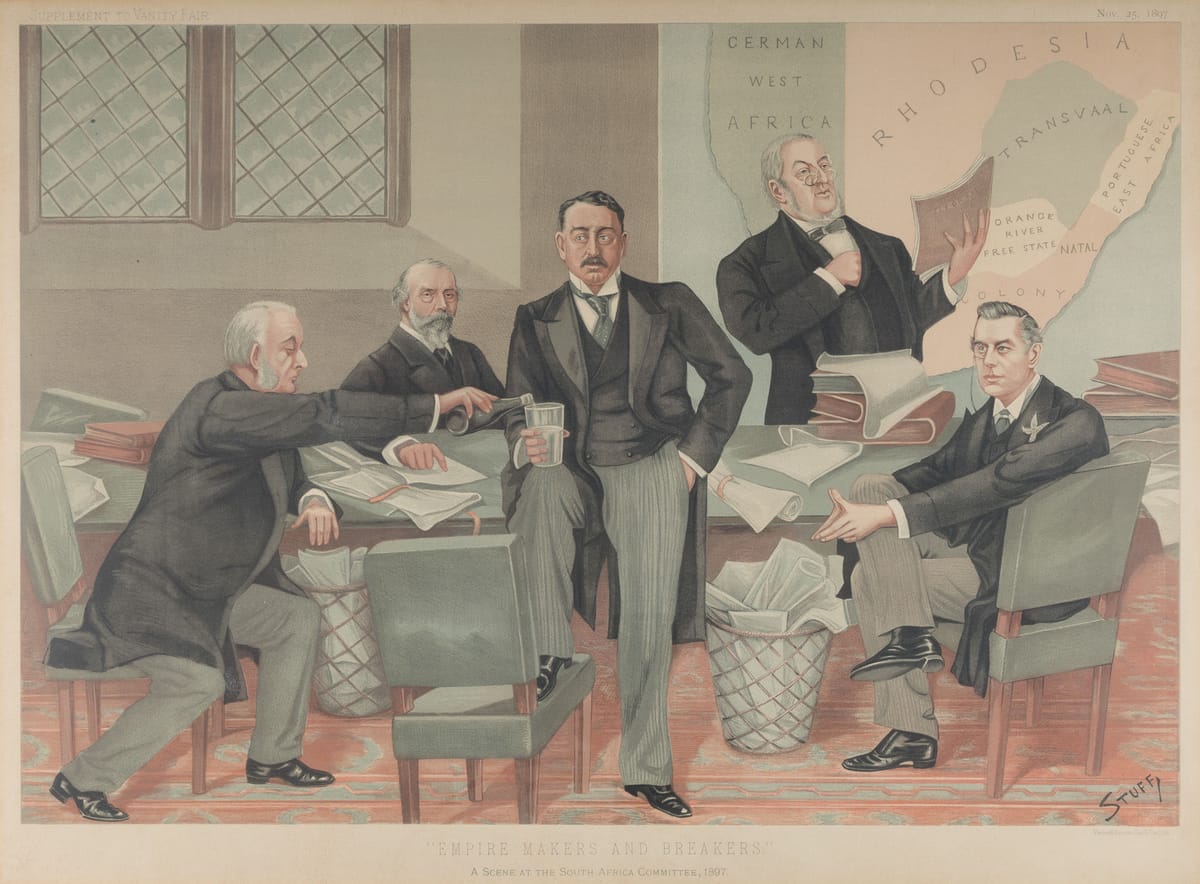
Recolonization involves imposing a distinctly ethnonationalist hierarchy, where not all nations are viewed as equally legitimate. Influenced by figures like Cecil Rhodes, these nationalists reject the idea that global politics should prioritize peace and human rights, instead favoring a worldview that asserts dominance over other nations.
Rechristianization aims to restore a Christian-centric American identity, viewing current multicultural and liberal ideologies as detrimental to true Christianity. These nationalists seek to reclaim America from what they see as the degradation caused by civil rights and multiculturalism, aspiring to create a theocratic governance that aligns with their religious views.
Overall, the extremist nationalist agenda is one of restoration and dominance—both domestically and internationally—reflecting a desire to return to a perceived golden age of white supremacy and Christian hegemony.
