



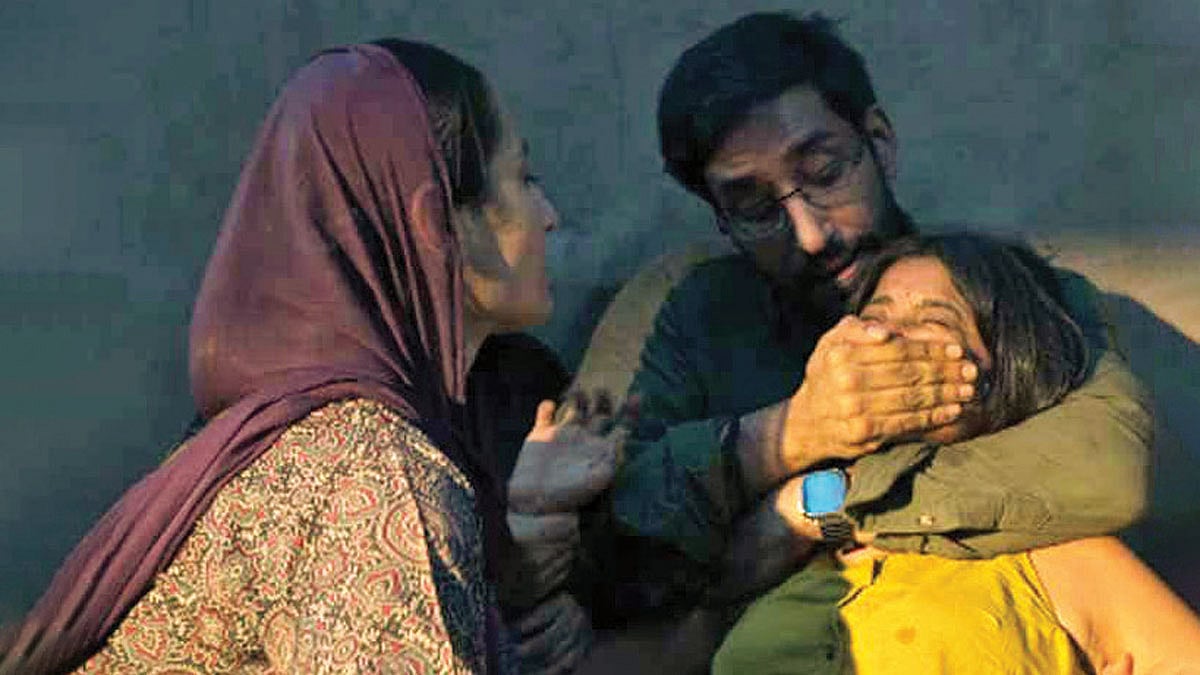
The article reflects on the evolving dynamics of beef consumption and its cultural implications in India, particularly contrasting the attitudes in Uttar Pradesh and Kerala. It begins with a recount of the lynching of Mohammad Akhlaq in 2015 over rumors of beef consumption and shifts to a 2023 encounter involving the film The Kerala Story, which sparked discussions about beef and religious nationalism.
In Kerala, beef is widely accepted and consumed across different religious communities, illustrating the state’s pluralism and regional food culture, in contrast to the strong anti-beef sentiments in parts of North India, which are rooted in historical movements like cow protectionism. The article critiques how the film misrepresents Kerala’s culinary practices and cultural diversity, leading to backlash and humor among locals.
The film’s portrayal of beef consumption as a coercive act linked to “love jihad” fails to resonate with the realities of Kerala’s syncretic culture. The author notes that beef has been a part of Indian heritage, with historical figures like Vivekananda acknowledging its consumption. The article suggests that nationalistic narratives overlooking this complexity misrepresent India’s culinary and cultural tapestry.
