



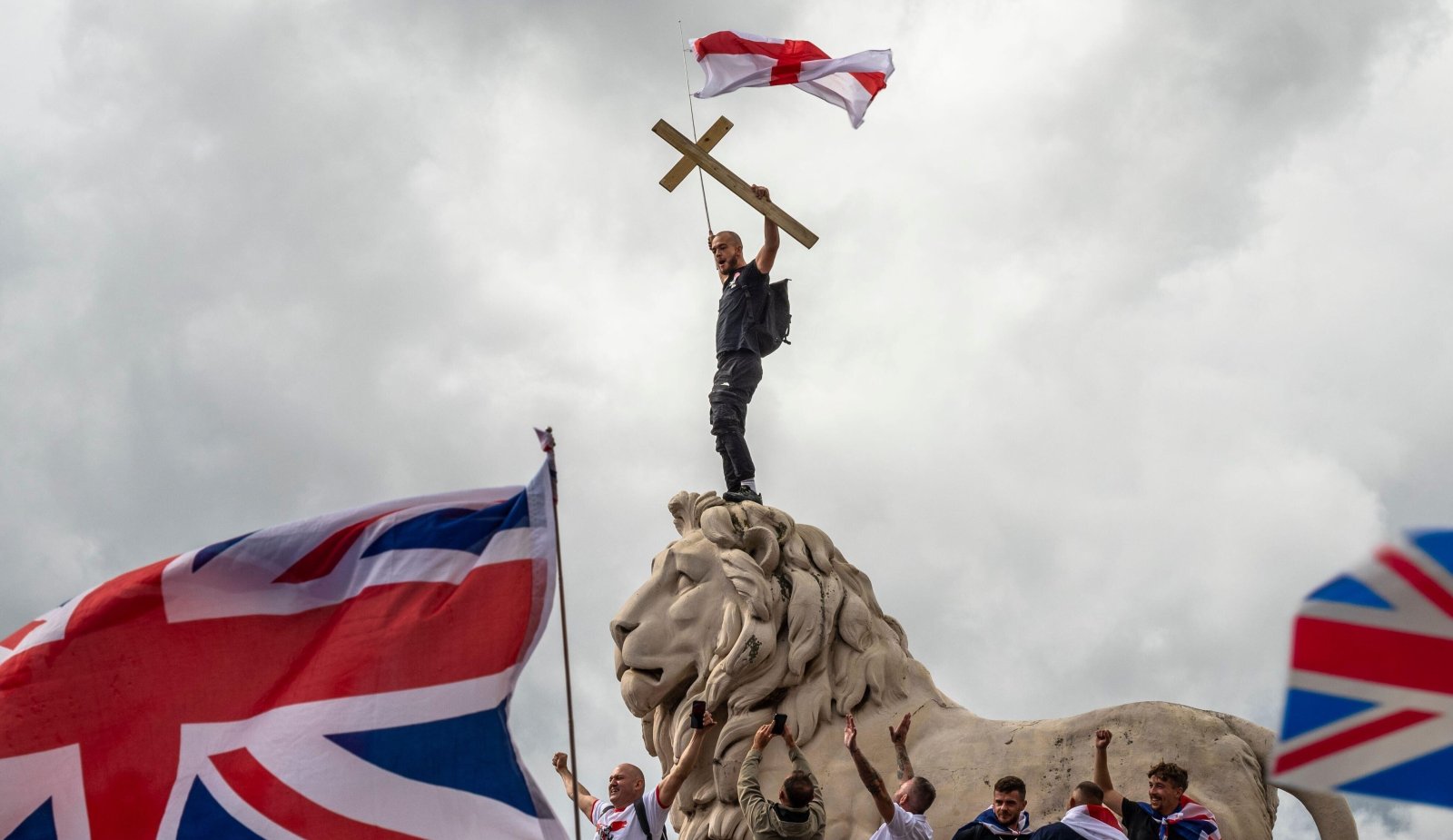
The article discusses the potential resurgence of Christianity in Britain, highlighting a trend where the faith is being co-opted for political and cultural agendas, rather than indicating a genuine revival. It reflects on events like Tommy Robinson’s ‘Unite the Kingdom’ march, showcasing Christian nationalism intertwined with anti-immigration sentiments and alarming rhetoric from figures such as Brian Tamaki.
Many conservatives argue that Britain’s decline correlates with a loss of faith and advocate for a return to Christian values, claiming they underpin Western liberal democracy. However, this view overlooks Christianity’s historical resistance to democratic principles, as the Church historically entrenched hierarchy and suppressed dissent rather than promoting liberty.
Modern democratic ideas emerged during the Enlightenment, advocating for the separation of church and state, challenging religious authority. Despite claims of increasing church attendance among young people, the article suggests that these are inflated or misleading statistics, with actual church numbers remaining low post-pandemic.
Christian nationalism is on the rise in the UK, fueled by influences from the American Christian Right and local politicians advocating for a return to a Christian identity, which can undermine secular principles and democracy. The author warns against embracing sectarian agendas masquerading as moral renewal, arguing that real democracy thrives on secular, inclusive values that respect all beliefs equally.
