



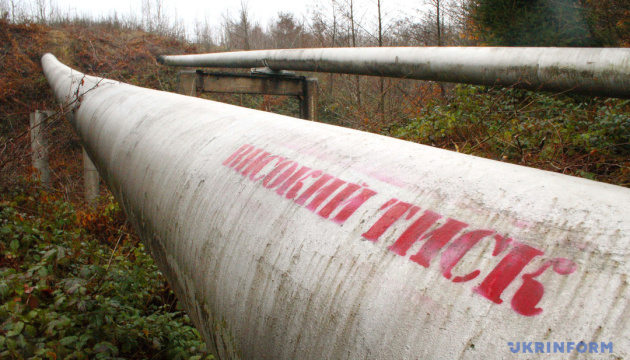
Russian propaganda has escalated its disinformation campaign against Ukraine, particularly in the context of the ongoing conflict with Hungary over the Druzhba oil pipeline. On March 5, nearly 700 manipulative publications focused on this issue were recorded by the Center for Strategic Communication SPRAVDI, indicating a significant effort to spread misinformation.
In total, about 7,250 materials mentioning Ukraine were published across approximately 120 disinformation resources, surpassing the 6,000 articles produced by legitimate media outlets. Roughly 55% of international coverage about Ukraine came from platforms associated with Russia’s foreign information manipulation and operations.
The coordinated disinformation tactics leverage anti-Ukrainian remarks from Hungarian leaders, promoting narratives of a rift within the EU and suggesting that Ukraine is losing European support. Propaganda also frames Ukrainian President Volodymyr Zelensky’s statements as evidence of Ukraine being a threat, accusing Kyiv of wanting to escalate tensions.
Additionally, Russia’s portrayal of transferring Ukrainian citizens of Hungarian origin as a “humanitarian act” further emphasizes the manipulation. Reports also include Hungary’s detention of Ukrainian cash-in-transit workers, which Ukraine deems hostage-taking.
On January 27, Russian strikes damaged energy infrastructure in the Lviv region, disrupting oil transit through the Druzhba pipeline. Following this, Hungary and Slovakia suspended diesel exports to Ukraine until repairs are complete, and Hungary threatened to halt electricity and gas exports if Russian oil deliveries are not restored.
On March 6, Ukrainian Foreign Minister Andrii Sybiha claimed that seven Ukrainian citizens were taken hostage by Hungarian authorities while transporting cash between the countries, highlighting continued tensions and misinformation surrounding this conflict.
