


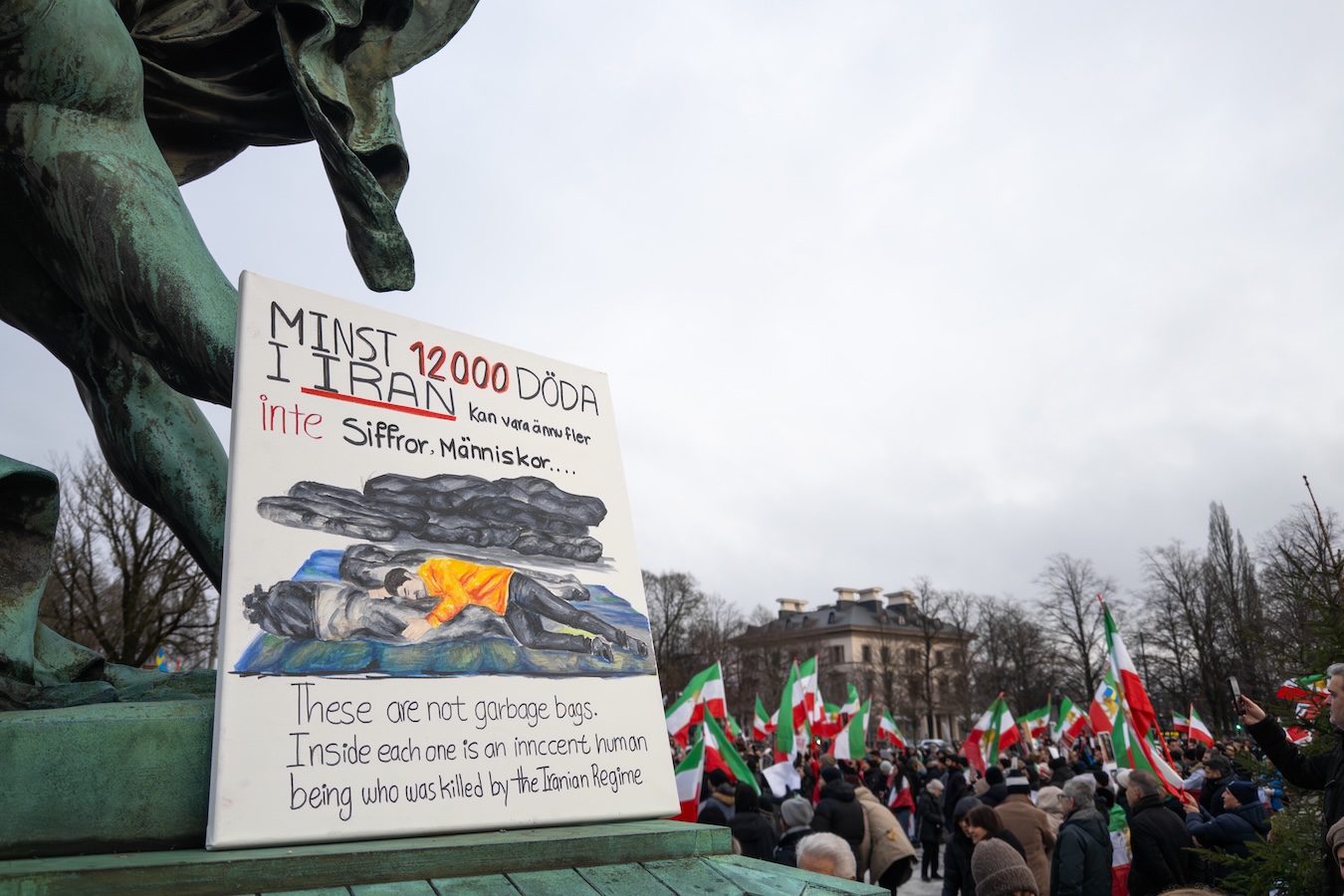
In his article, Brian Hioe critiques the reactions of tankies and campists to protests in Iran against an autocratic regime. These groups often dismiss such movements as US-led “color revolutions,” undermining the complex realities of popular uprisings where many have died from state crackdowns. Hioe argues that tankies and campists, despite opposing the US empire, view the world through a narrow lens that prioritizes a binary perspective—valorizing any anti-US entity, even if it’s oppressive, while framing grassroots movements as foreign manipulations.
He points out their tendency to project American social dynamics onto other contexts, failing to acknowledge that groups can be both oppressors and oppressed. This worldview, he argues, reflects a contradiction: while they oppose US influence, they still see the global landscape through an American-centric framework.
Moreover, he critiques their longing for a “good empire” in countries like China or Russia, showcasing a shift in their statist and nationalist ideals. Hioe highlights the need for a more nuanced understanding of global struggles that avoids reducing movements to mere pawns in empire politics.
Ultimately, he calls for a perspective that recognizes the complexities of struggles beyond the US, rather than viewing other societies solely through the lens of imperial alterity or as subjects of idealized socialist states.
