



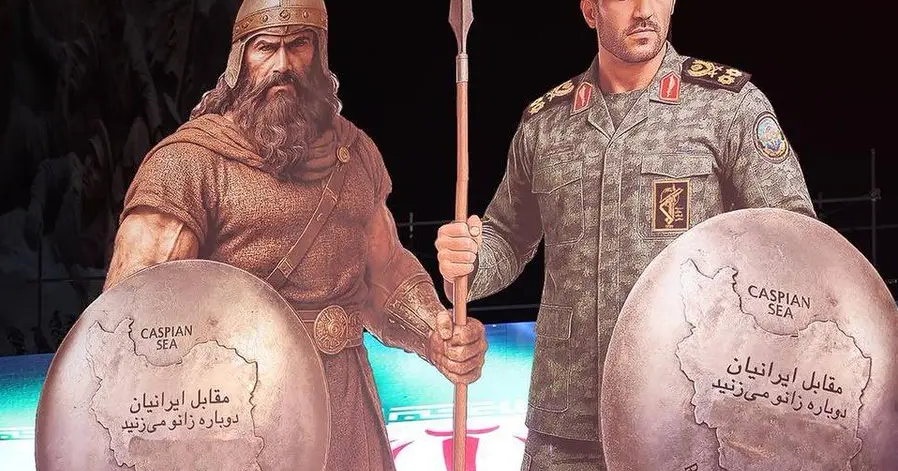
For over four decades, the Iranian theocracy has replaced ancient Persian history with post-Islamic narratives in schoolbooks. However, following a recent conflict with Israel, officials have turned to pre-Islamic history to unify a divided society. This shift is evident in events like the unveiling of a massive bronze statue in Tehran’s Revolution Square, depicting Roman Emperor Valerian kneeling before Sassanid King Shapur I, intended to symbolize national pride and unity. The campaign, branded “Kneel before Iran,” is led by Tehran Mayor Alireza Zakani and aims to highlight past victories over foreign aggressors.
The move marks a stark reversal for leaders like Supreme Leader Ali Khamenei, who previously dismissed pre-Islamic achievements. Critics have labeled the display as hypocritical, pointing out contradictions, such as the closure of Cyrus’s tomb while glorifying Shapur. The government, aware that traditional religious appeals are losing impact, appears to be integrating history into its propaganda to reclaim national identity. Despite the celebratory atmosphere, many view this as an attempt to control narratives about Iran’s past while suppressing historical expressions like Cyrus’s commemorations.
