



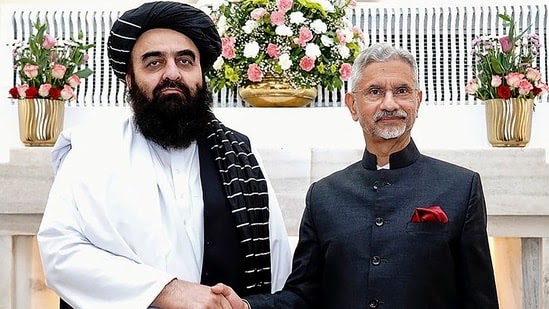
Ram Puniyani discusses the Taliban’s human rights abuses, especially toward women, highlighting their misogynistic policies and historical context. Despite the Taliban’s regressive stance on human rights, global powers may seek to engage with them due to geostrategic needs. Women in Afghanistan feel betrayed as they face severe restrictions, especially in education and assembly.
The author notes the Taliban’s emergence from specific ideological indoctrination in Pakistan and U.S. involvement during the Soviet invasion of Afghanistan. The violent Islamic ideology they uphold lacks respect for human rights, disproportionately affecting women and marginalized groups.
Comparatively, Puniyani asserts that while the Hindutva nationalism in India may not reach the Taliban’s level of patriarchal oppression, it harbors similar misogynistic roots, evident in organizations like the RSS. He critiques their exclusionary practices toward women, emphasizing that the patriarchal values within Hindu nationalism parallel those found in Islamic fundamentalism. He concludes that while the Taliban represents the extreme of patriarchy, Hindu nationalism shares ideological similarities, with both ideological frameworks reinforcing societal norms detrimental to women’s rights.
