



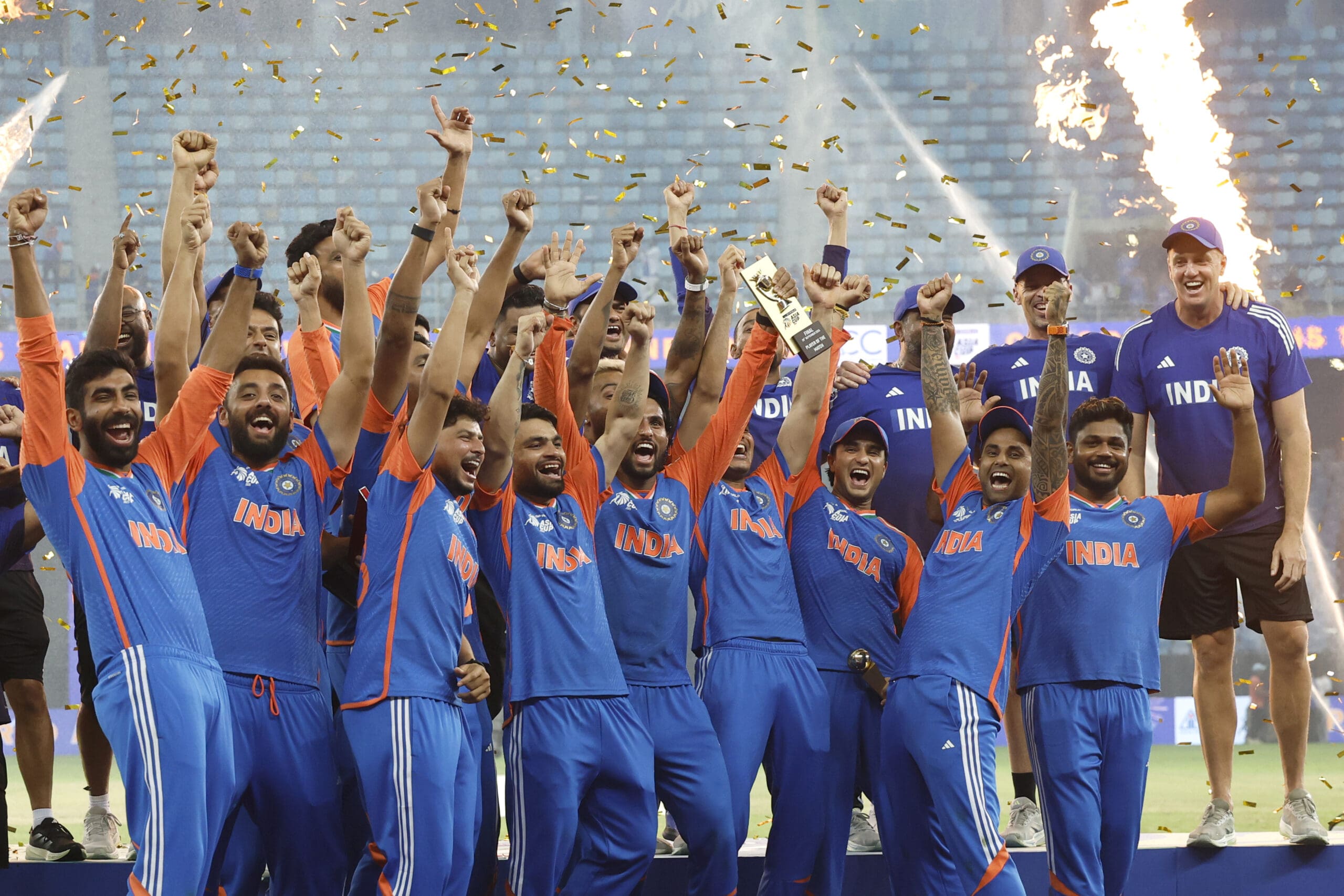
In the Asia Cup final on September 28, India triumphed over Pakistan by five wickets in a performance celebrated by fans. The post-match trophy presentation turned controversial as it was conducted by Mohsin Naqvi, the Pakistani Interior Minister, leading to a refusal of the Indian team to accept it on stage – a moment that quickly gained notoriety on nationalist media platforms.
The match occurred amidst heightened jingoism, driven by recent geopolitical tensions, including a Pahalgam terror attack. Despite a long history of cricket matches between the two nations existing in politically charged atmospheres, this particular tournament reflected a new level of nationalist fervor. Critics, including notable figures and media commentators, expressed discontent regarding the decision to play Pakistan, with sentiments likening it to a betrayal of victims of cross-border violence.
Traditionally, cricket had served as a hopeful bridge between India and Pakistan, illustrated by moments of sportsmanship between players. However, during this Asia Cup, gestures of camaraderie were notably absent, replaced by a framework of patriotism and aggressive national narratives, even reflected in players’ interactions.
The article critiques the transformation of cricket into a politicized battleground, blurring the lines between sport and statecraft. Instead of celebrating athletic skill, cricket matches now function as platforms for “collars-up machismo” aligned with the ruling party’s nationalism, driven by media coverage that sensationalizes competition into war-like spectacles. The narrative has shifted towards vilifying opponents and treating matches as symbolic battles, with players acting as extensions of national pride and collective anxieties.
The Asia Cup finalized as an echo of political warfare rather than an athletic contest, highlighting how cricket now serves as a conduit for projecting national insecurities and power dynamics, ultimately diminishing its essence as a sport and transforming it into a stage for geopolitical drama.
