



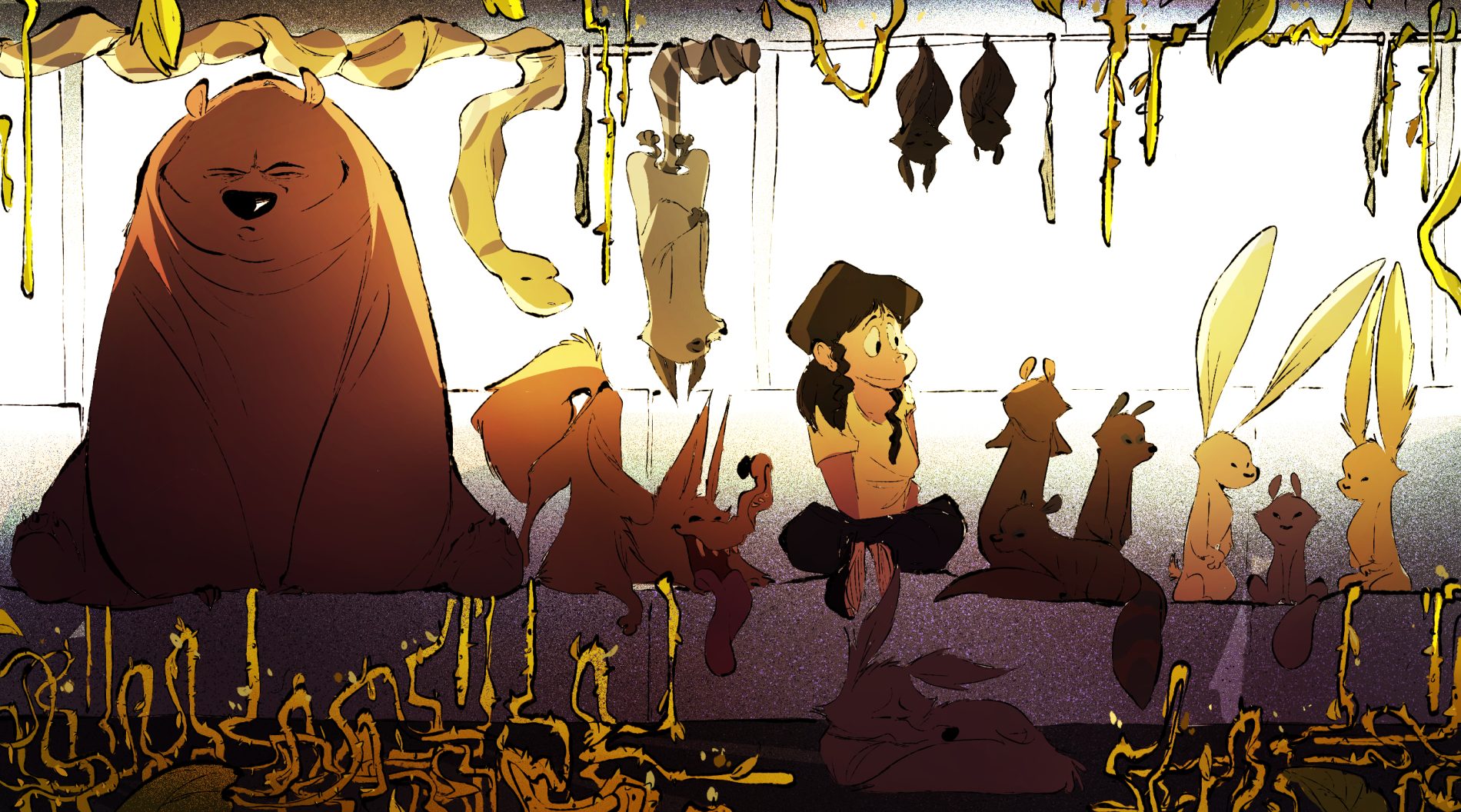
In the article, Jessica Vigil explores the complexities of consciousness and empathy, particularly regarding how humans relate to other species. She notes that there is a lack of consensus among scientists on what defines consciousness—ranging from self-awareness to communication ability—but highlights the troubling tendency for humans to exhibit empathy predominantly towards their own kind, often neglecting the moral implications of how we treat animals. This double standard, which she refers to as “speciesism” or “human nationalism,” reflects broader societal norms of human supremacy intertwined with white supremacy.
Vigil critiques the prevailing belief that only humans deserve moral consideration while highlighting that this mindset extends to how we view domesticated versus wild animals. She underscores that many people disregard the ethical implications of their food sources and engage in practices that contribute to animal cruelty, often attributing a lack of morality to wild animals simply because they are perceived as “uncivilized.”
Additionally, she draws parallels between speciesism and historical injustices faced by Indigenous peoples, citing colonial ideologies that stripped them of land rights and moral agency. Vigil advocates for a shift in perspective to recognize humans as part of nature, suggesting that recognizing our place in the animal kingdom is crucial for fostering empathy and respect for all living beings. She encourages humility and learning from other species, proposing that true consciousness includes acknowledging our interconnectedness with the world around us.
