



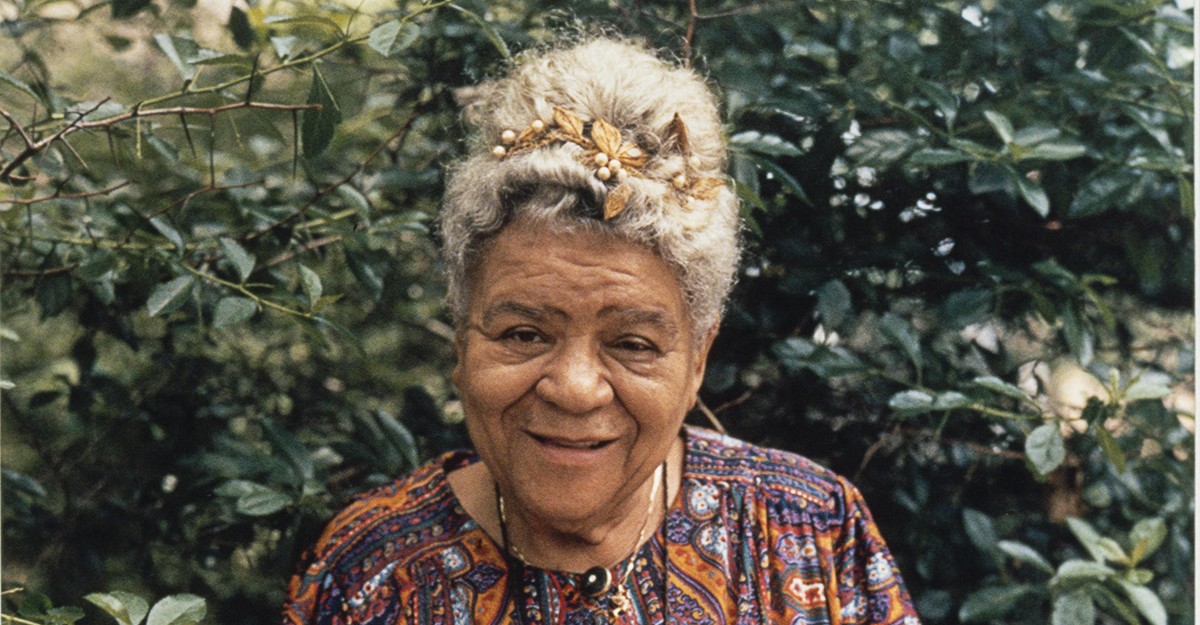
William Greaves’s documentary Nationtime captures the 1972 National Black Political Convention, featuring Audley Moore—an often-overlooked figure in Black nationalism. Dressed in a floral kaftan, she passionately calls for reparations, echoing Benjamin Franklin’s ideas. A new biography, Queen Mother: Black Nationalism, Reparations, and the Untold Story of Audley Moore by Ashley D. Farmer, chronicles Moore’s life and her role in Black nationalist movements from the 1920s through the 1990s.
Born in 1898 in Louisiana, Moore faced economic hardships after her parents died. Her activism was deeply influenced by Marcus Garvey and his call for Black self-reliance. Moore engaged with various political groups, including the Communist Party, but her commitment was more pragmatic than ideological, focusing on tangible goals like equitable housing and labor laws.
Despite her significant contributions, Moore remains absent from mainstream civil rights narratives. Farmer’s ten-year research effort reveals Moore’s adaptability and willingness to collaborate across political lines to pursue her vision of Black empowerment, making her case for reparations and a Black nation in the U.S.
In 1962, she campaigned for reparations, arguing for payments to descendants of enslaved Africans. In the 1970s, she became a figure of mentorship in the Black Power Movement, advocating for a separate Black nation. Despite some controversial aspects of her life, including connections with dictators, Farmer highlights the importance of Moore’s legacy, asserting her influence in the broader context of global Black liberation.
