



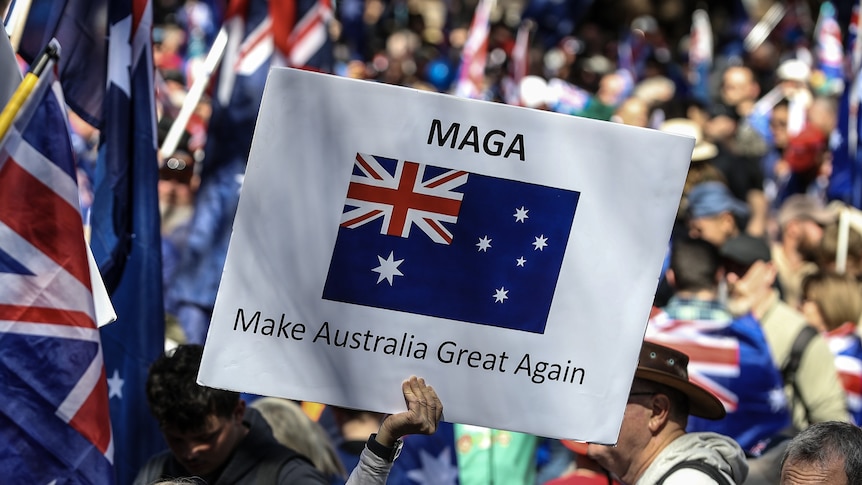
The article examines the intertwined dynamics of migration, ethnicity, and religion in contemporary Australia, particularly against the backdrop of rising Christian nationalism and nativism. It highlights that Australia has a historically diverse cultural landscape, with Indigenous practices and multiple waves of migration, particularly from Asia, which introduced various religious traditions. Despite this diversity, vocal minorities cling to the notion of Australia as a “Christian country,” a myth constructed through historical violence and policies like the White Australia Policy.
The decline in the number of Australians identifying as Christian is causing anxiety among conservative Christians, who feel their values and privileges are under threat from multiculturalism and the recognition of minority rights. This has fueled connections between local and global right-wing networks, promoting political campaigns that reinforce anti-immigration sentiment.
Contrastingly, not all Christians align with this conservative ideology; there are progressive Christian groups advocating for inclusivity and support for marginalized communities. Migrants, particularly from religiously diverse backgrounds, play a crucial role in sustaining religious adherence in Australia and often engage in community support through religious organizations. These institutions provide vital resources for immigrants and refugees, especially during crises like the COVID-19 pandemic.
The article concludes by emphasizing the need to better educate about the historical contributions of diverse immigrant communities to counter the pervasive myth of a white Christian nation and foster a more inclusive understanding of Australia’s spiritual diversity. It advocates for recognizing the efforts of diverse diasporas that enhance the fabric of Australian society, pushing back against jingoism, white supremacy, and religious nationalism.
