



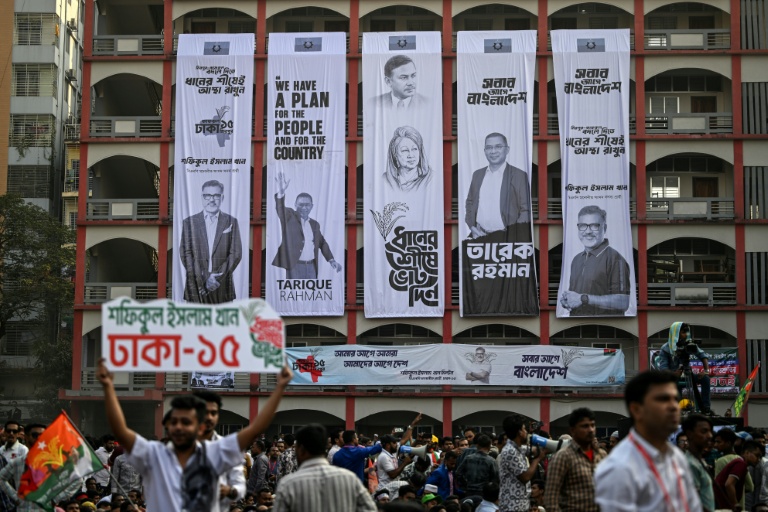
Voters in Bangladesh are set to elect a new government on February 12, facing challenges from a surge of disinformation, much of it linked to India. This election follows a 2024 student-led uprising that resulted in Sheikh Hasina fleeing to India. Authorities have reported that the scale of online manipulation has prompted the creation of a special unit to combat false content. Interim leader Muhammad Yunus highlighted this “flood of misinformation,” which he claims is coming from both foreign and local sources.
Much of the disinformation focuses on alleged attacks against minorities in Bangladesh, particularly Hindus, who comprise about 10% of the population. A think tank found over 700,000 posts claiming “Hindu genocide,” with over 90% originating from India. Various AI-generated fake news, including videos, have circulated widely on social media, often without proper disclaimers about their artificial origins.
While the Indian government has noted ongoing attacks on minorities in Bangladesh, it denies any orchestration of large-scale media campaigns. In response, the Bangladesh Election Commission is collaborating with Meta to monitor misleading information, but they struggle to keep up with the vast volume online. Experts warn that AI-generated disinformation poses significant risks, particularly in a country where many voters are still unfamiliar with technology.
