



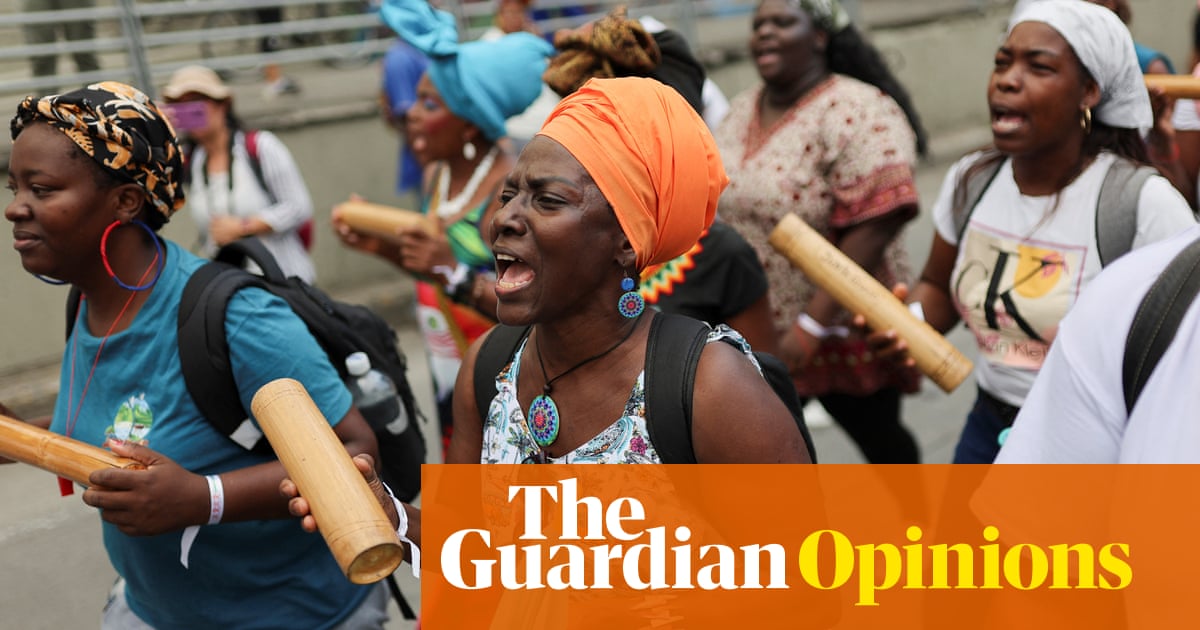
The article emphasizes the significant role of women in small communities, particularly those led by Indigenous and Afro-descendant populations in Asia, Africa, and Latin America. The author, who grew up in Colombia, draws inspiration from her mother’s experiences as a campesina, highlighting the vital contributions these women make to their families and the environment. As environmental crises persist, these communities increasingly contribute to conservation efforts, managing rich ecosystems like Colombia’s biodiversity hot spots.
However, women in these communities face two main barriers: lack of legal organization, which prevents access to funding, and gender discrimination within their own communities, often led by men. Despite these challenges, empowering women is crucial, as they invest in education and improve community well-being. During the Covid pandemic, women became central figures in their communities, securing food and resources.
A recent achievement at Cop16 was the recognition of Afro-descendant groups in the UN biodiversity process, ensuring they have a voice in negotiations. The article advocates for the inclusion of women in these discussions to leverage their ancestral knowledge for ecological preservation and community empowerment.
