



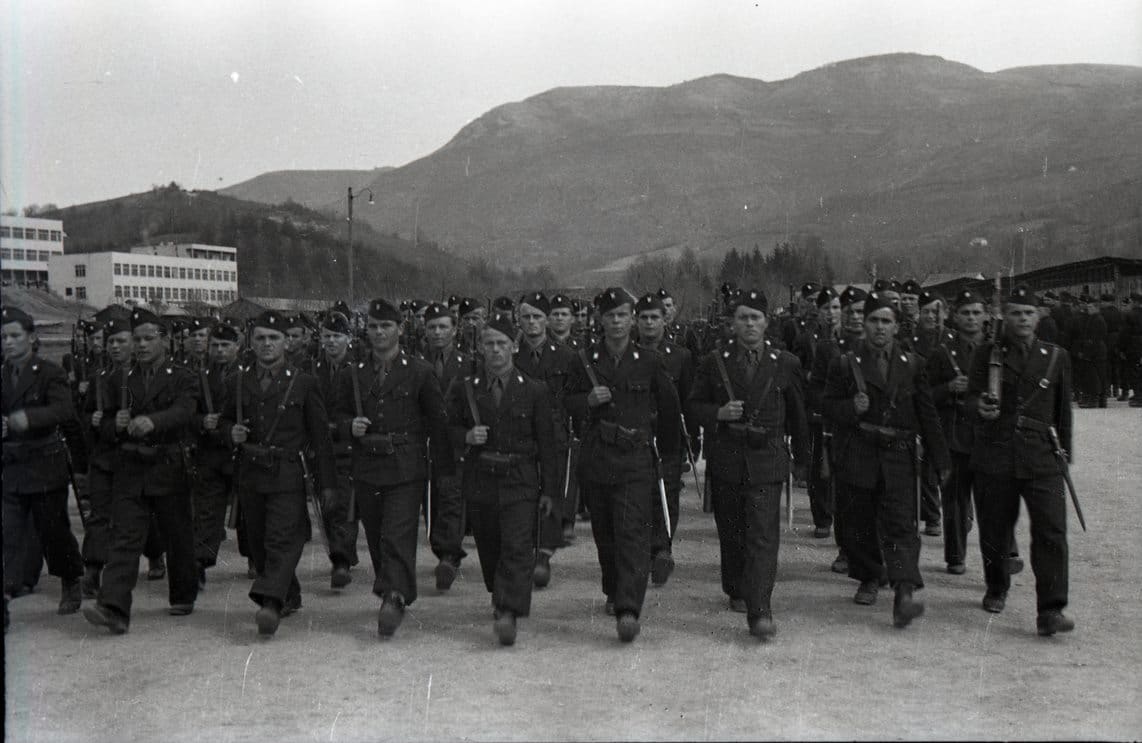
The article explores the extreme brutality of the Ustaše, a Croatian fascist movement that emerged in the Independent State of Croatia during World War II. Unlike the more systematic and industrialized mass murder methods employed by the Nazis, the Ustaše engaged in brutal, hands-on genocidal practices, shocking even their German allies. Their violent methods included the use of instruments like the “Srbosjek,” a blade attached to a leather glove designed for efficient throat-slashing. Reports from German generals described the Ustaše actions as frenzied and mad, and they expressed concern over the chaos this created among local populations.
Targeting primarily Orthodox Serbs, Jews, and Roma, the Ustaše also persecuted any Croats who opposed them. They established concentration camps, including Jasenovac—often referred to as the Auschwitz of the Balkans—known for its horrific conditions where many innocent lives, including children, were lost. This historical violence continues to affect modern Balkan relations, particularly between Serbs and Croats.
