



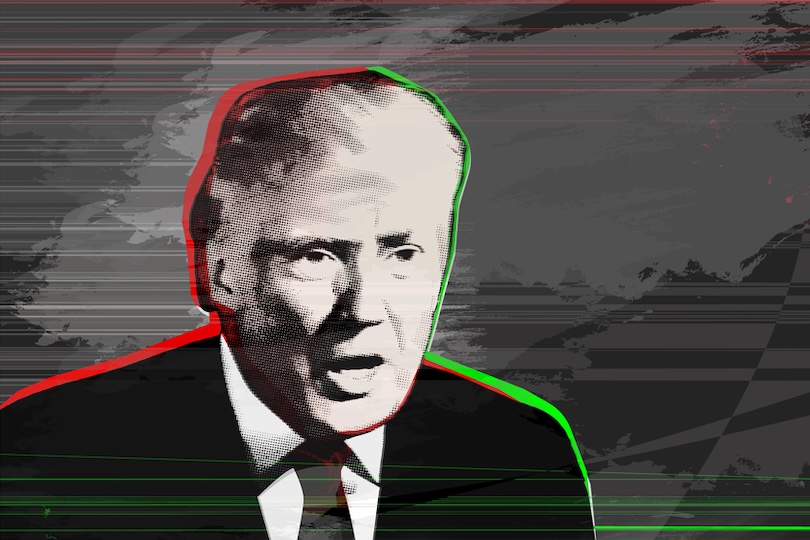
The article explores the shifting foreign policy of the US under the second Trump administration, moving away from the post-World War II international order. This shift includes a renewed focus on spheres of influence, particularly in the Western Hemisphere, and a perceived permissiveness toward authoritarian regimes like China and Russia. The central theme is the narrative of humiliation related to internal threats, framed through the lens of populism and fascism, as articulated in speeches by Vice-President JD Vance and Secretary of State Marco Rubio.
Vance emphasizes a “threat from within,” blaming various demographic and social groups for undermining fundamental democratic values. Rubio speaks to a shared civilizational purpose under threat, indicating a decline in Western civilization brought on by feelings of guilt and shame over cultural heritage. The article argues that both the US and Europe are viewed as in decline, exacerbated by mass migration and rising minority groups that challenge societal cohesion.
The discussion suggests that the threat of decline has not typically been seen as due to internal moral failings, historically being related more to external competitors. However, the current narrative identifies internal grievances as key, with populist leaders leveraging feelings of humiliation and resentment.
The notion of humiliation is intertwined with features of fascism, as internal enemies are portrayed as existential threats undermining national integrity. This goes beyond typical populist politics, suggesting a framework where violence against internal “others” is increasingly legitimized. The article concludes that the response to perceived decline includes aggressive rhetoric against minority groups and calls for a societal “rejuvenation,” framing the ongoing political climate as one conducive to proto-fascist ideologies.
The work urges further examination of the intersection between US domestic policy, identity politics, and foreign policy in light of this narrative of humiliation and decline.
