



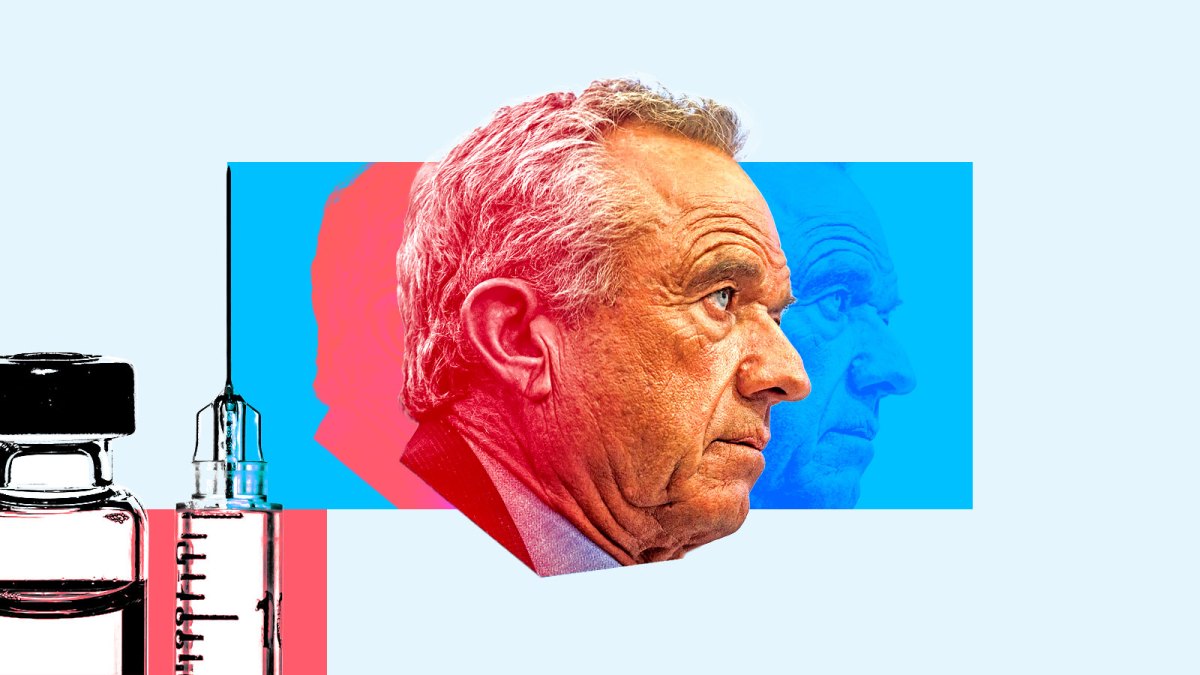
At the CDC headquarters in Atlanta, staff are adopting a cautious approach amid fears of monitoring and scrutiny from the Department of Government Efficiency (Doge). This unsettling atmosphere follows the mass firing of over 10,000 experienced employees since Robert F. Kennedy Jr. was appointed health secretary in February. Staff express concerns that health priorities and scientific norms are being compromised, as long-standing research programs are canceled in favor of an agenda perceived as “anti-science.”
Kennedy’s initiatives, aimed at overhauling health policies, have sparked chaos within organizations like the CDC, FDA, and NIH. Critics highlight the detrimental effects on public health, with essential programs for preventing chronic diseases and monitoring food safety in jeopardy. Key experts have been dismissed from their roles, raising alarms about the politicization of vaccine recommendations and the potential repercussions for overall health standards in the U.S.
As tensions mount, many current employees express anxiety and doubt about the administration’s direction, fearing that the chaos and disruption could lead to long-term harm to public health. The perception of a lack of clear leadership and adequate support exacerbates concerns about the future efficacy of health initiatives.
