



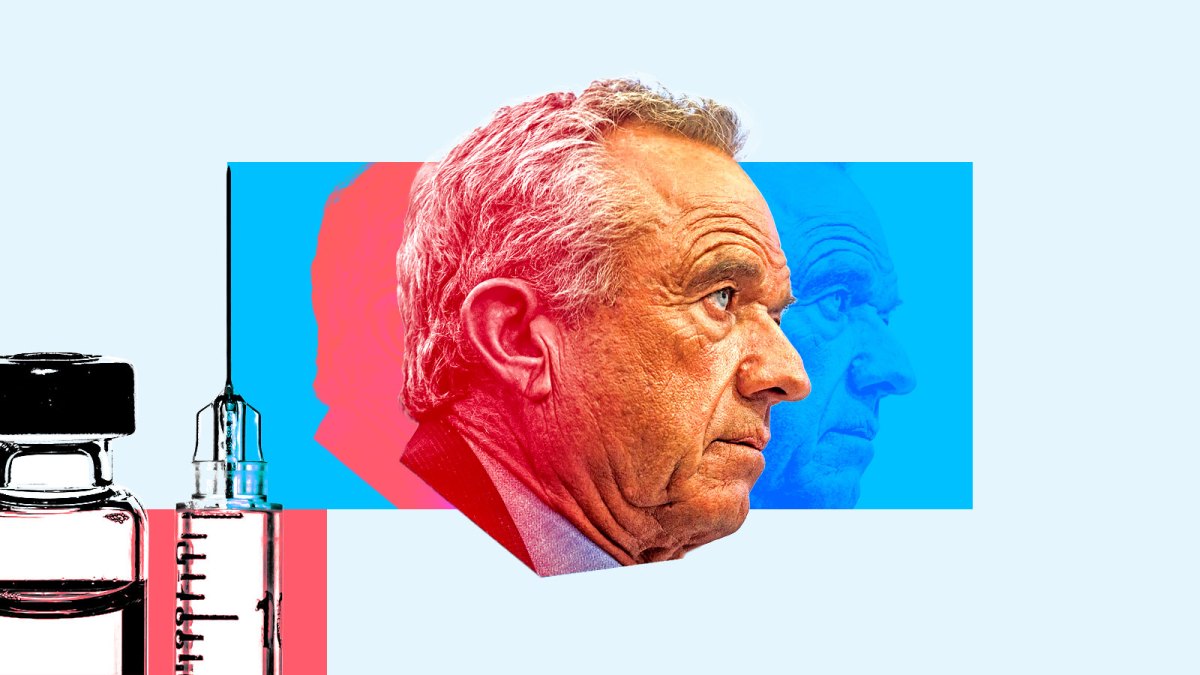
At Building 21 of the CDC in Atlanta, employees are on high alert, fearing surveillance and the impact of recent leadership changes. Since Robert F. Kennedy Jr. became health secretary, over 10,000 experienced staff have been dismissed, leading to a chaotic work environment where many avoid Zoom meetings and use manual note-taking to prioritize their confidentiality. Insiders report a significant shift in health priorities, with thousands of research programs axed due to perceived “wokeness,” creating concerns about the potential decline in public health.
Kennedy’s controversial approach to vaccine policies has raised alarms following the mass firing of the advisory committee on immunization practices. Critics argue that this politicization of vaccines may hinder public health efforts, especially with decisions concerning COVID-19 vaccines that do not align with scientific principles.
Moreover, health infrastructure programs, including vital childhood lead-poisoning prevention and chronic disease research initiatives, face cancellations, exacerbating existing public health crises. Staff report severe limitations in resources and bureaucratic inefficiencies, complicating essential operations at organizations like the FDA.
The turmoil has fostered a general sense of anxiety among remaining employees, many of whom feel disconnected from the administration’s values. As they face uncertain futures under Kennedy’s leadership, concerns about long-term repercussions for American health grow.
