



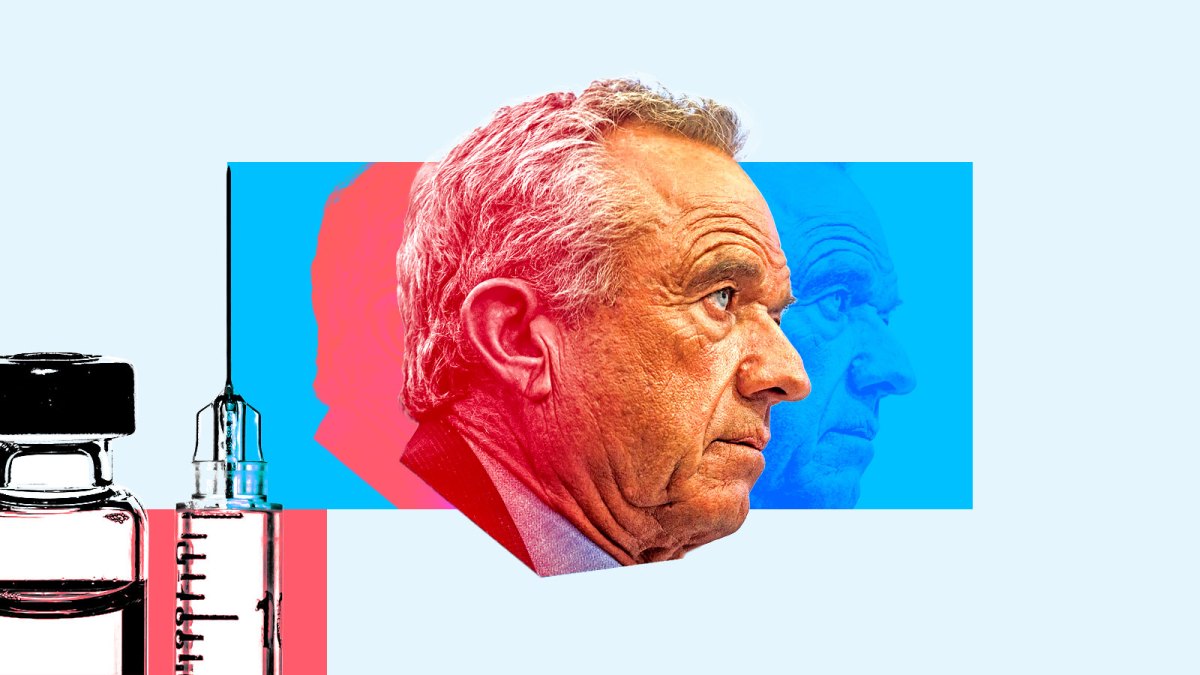
At the CDC in Atlanta, a climate of fear and constant monitoring prevails after the appointment of Robert F. Kennedy Jr. as health secretary. Thousands of experienced staff have been dismissed, and remaining employees feel the need to operate in secrecy to avoid repercussions. Under Kennedy’s regime, longstanding scientific norms have been disrupted, leading to the cancellation of crucial research programs and the perception of a chaotic and dysfunctional workplace.
Many health professionals criticize Kennedy’s focus on reform as damaging, arguing it threatens American public health. His controversial actions include firing the entire advisory committee on immunization practices and prioritizing older vaccine technologies over more innovative methods. Sources within the CDC and other health agencies worry that the dismantling of essential programs, like lead-poisoning prevention, will have dire public health consequences.
Despite the push for efficiency, the addition of bureaucratic layers has complicated grant approval processes. Employees describe an environment filled with anxiety and uncertainty, questioning the leadership and direction of the nation’s health initiatives amidst what they perceive as an anti-science approach.
