


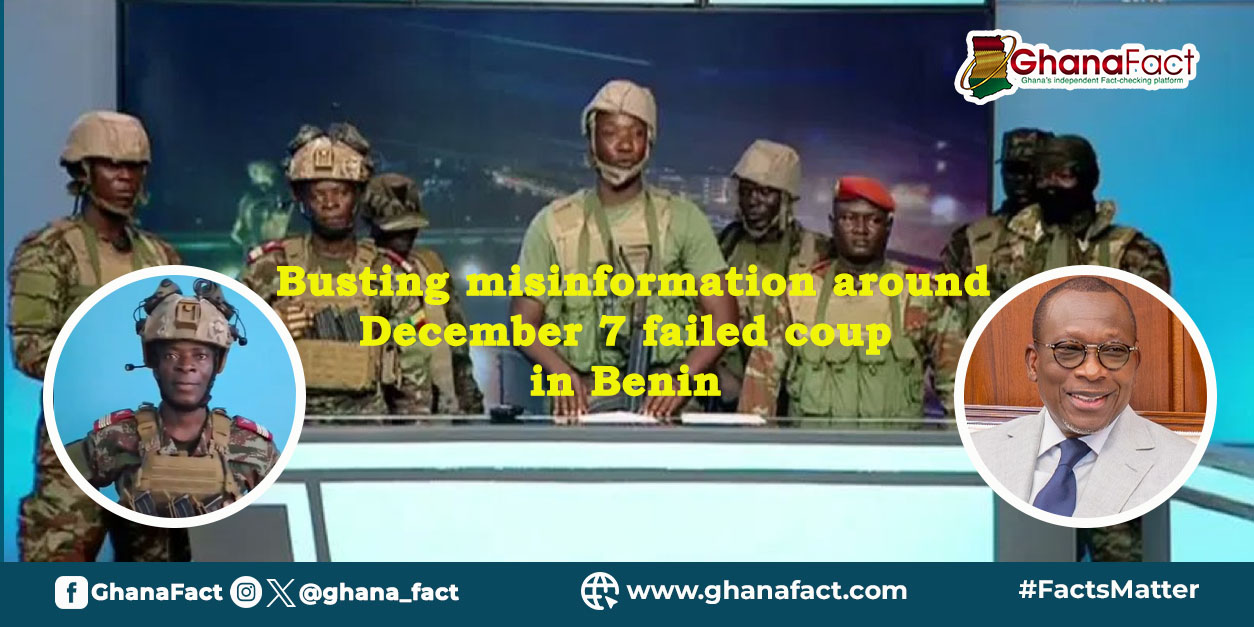
The article by Alfa Shaban discusses the ongoing erosion of democracy in the Sahel and West Africa, underscored by the weaponization of misinformation to undermine trust in institutions and manipulate public opinion. Recent events, such as misinformation campaigns during elections across several countries, illustrate this trend, with a significant increase in disinformation operations reported since 2022.
The Africa Center for Strategic Studies notes a nearly fourfold rise in disinformation campaigns, attributing much of this surge to the growing dependency on social media for news. Richard Kumadoe, a security consultant, warns that such disinformation poses a serious threat to democracy across Africa.
The article highlights the December 7, 2025, failed coup in Benin, exemplifying how misinformation can destabilize democratic processes. Various forms of misinformation circulated, including misleading videos and images, fake statements, and AI-generated content. For example, a viral TikTok video claimed to show pro-coup protests in Benin, but it was actually filmed in Kenya.
The Beninese government responded by launching a WhatsApp channel, Anti Fake News Benin, to combat misinformation. Despite government efforts, recent arrests related to social media comments highlight ongoing challenges.
The article concludes with a warning about the precarious balance between combating disinformation and protecting personal freedoms, suggesting a complex landscape for governance and civil liberties in Africa.
