



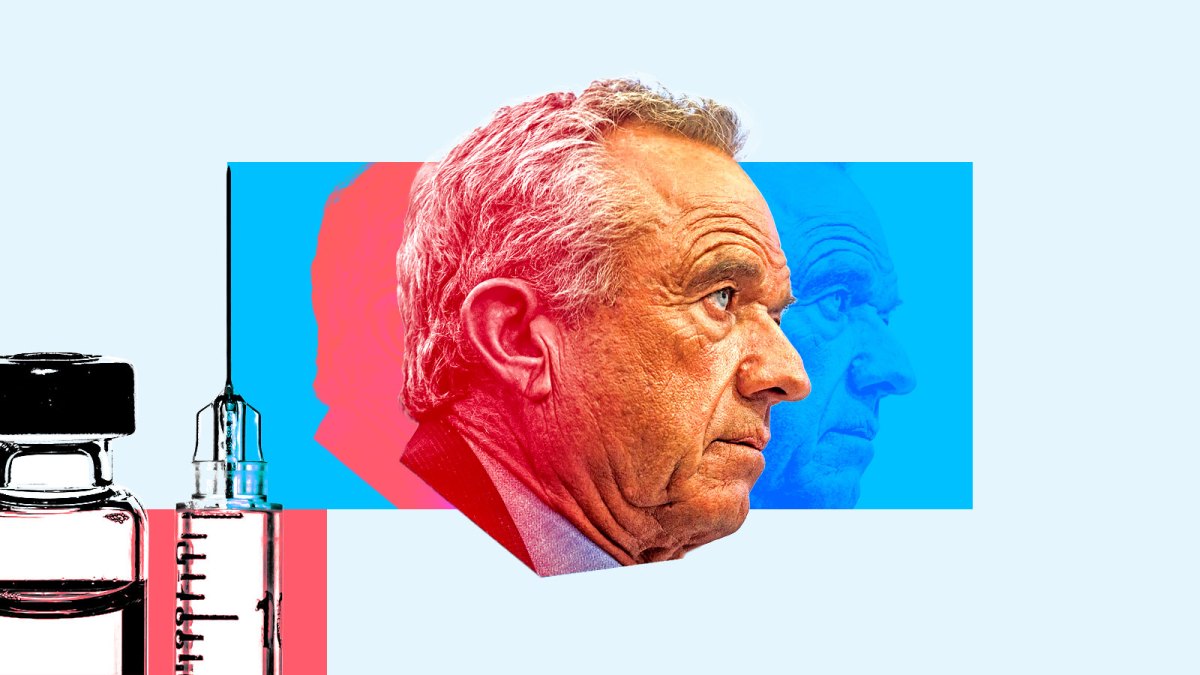
At the CDC headquarters in Atlanta, employees are navigating a climate of fear and distrust under Health Secretary Robert F. Kennedy Jr., following mass firings of over 10,000 experienced staff since his appointment in February. Many workers feel monitored and resort to low-profile practices, such as avoiding Zoom meetings and discussing policies in private, soundproof offices. The changes under Kennedy’s leadership, driven by the Department of Government Efficiency (Doge), have disrupted long-standing scientific protocols, canceled numerous research programs, and shifted health priorities.
Critics, including former CDC officials, express concern that these alterations will harm public health, particularly with Kennedy’s controversial approach to vaccine policy. He recently dismissed the entire advisory committee on immunization practices and replaced them with allies, raising worries about potential politicization and decreased vaccine availability.
Insiders report a decline in operational efficiency, with budget constraints forcing staff to scavenge for supplies and increasing bureaucratic hurdles for grant approvals. Vital prevention programs, like lead-poisoning initiatives, have been shuttered, with staff uncertain about the future. Despite claims of promoting efficiency, many believe the changes will ultimately lead to poorer health outcomes in the U.S., fostering a chaotic environment in which the core missions of agencies like the CDC and FDA are compromised. Current employees fear that the lack of clear direction and continuing anti-science tendencies will have long-lasting negative impacts on public health.
