



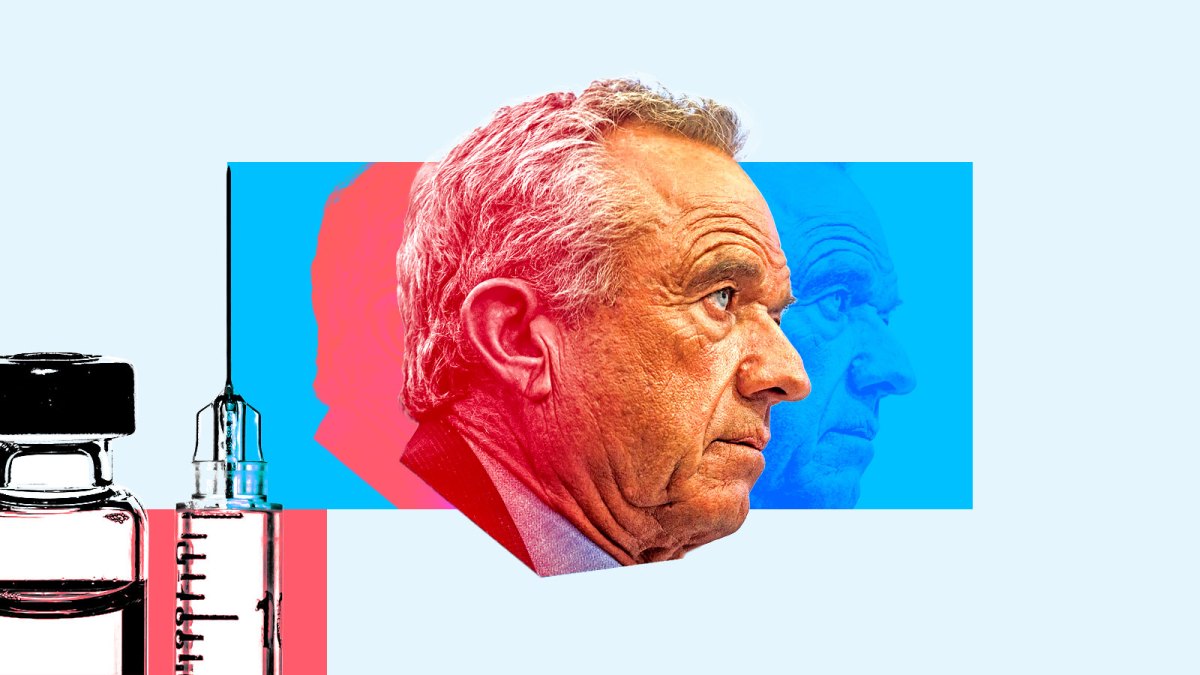
At Building 21 of the CDC in Atlanta, employees are operating in a climate of fear and uncertainty since Robert F. Kennedy Jr.’s appointment as health secretary. With over 10,000 staff members fired, many now avoid Zoom meetings and hold discussions in soundproof offices, wary of surveillance from officials of the Department of Government Efficiency (Doge). Staff describe a chaotic environment as long-standing scientific norms are disrupted, funding is scarce, and several research programs, deemed “woke,” are shuttered.
Kennedy’s mission to “make America healthy again” is raising concerns among insiders about its negative impact on public health. He controversially dismantled the Advisory Committee on Immunization Practices, replaced members with individuals from the anti-vaccine movement, and initiated a $500 million vaccine project using outdated technology. Critics, including former members of the committee, fear that politicizing vaccines will lead to reduced availability and detrimental effects on health.
Kennedy’s administration is also closing crucial programs, such as the childhood lead-poisoning prevention initiative, significantly impacting public health efforts. The FDA faces operational issues due to mass firings and budget constraints, hampering food safety inspections. Staff express skepticism over Kennedy’s leadership and the chaotic restructuring, with many feeling that the health priorities are more about cutting programs than improving efficiency.
Amid uncertainty and anxiety, current employees worry about the implications for public health, with dire warnings that the ongoing disruption could lead to more significant health crises.
