



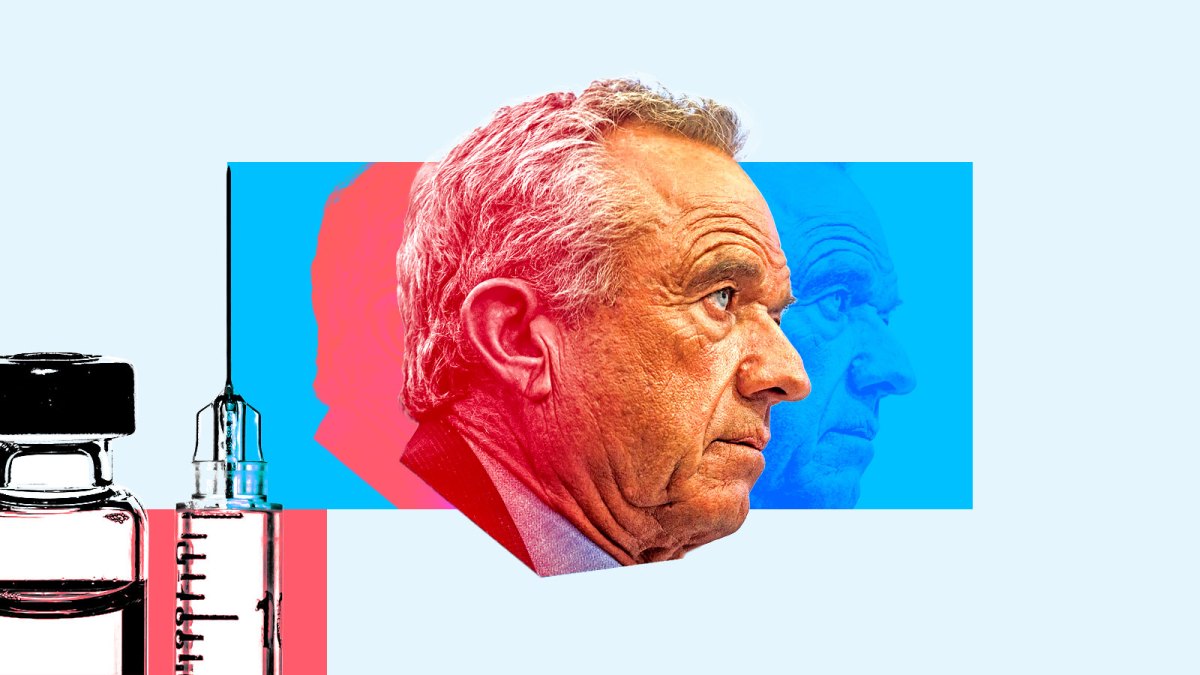
At the CDC headquarters in Atlanta, employees feel compelled to maintain a low profile due to a pervasive climate of fear following the mass firings initiated by Health Secretary Robert F. Kennedy Jr. since his appointment in February. Over 10,000 staff members have been dismissed, creating a sense of chaos and dysfunction. Many current employees are avoiding Zoom meetings and using notebooks to avoid digital records, as they feel constantly monitored by officials from the Department of Government Efficiency (Doge).
Kennedy’s agenda to “make America healthy again” has prompted significant shifts in health priorities, with critical research programs being canceled and funding for various initiatives slashed. The oversight of important health programs, such as childhood lead-poisoning prevention, has been compromised, raising concerns about public health outcomes.
Kennedy’s controversial stance on vaccines has also led to the firing of the entire advisory committee on immunization practices, raising fears that the politicization of vaccines could diminish their availability and undermine public health. Insiders report increased bureaucratic hurdles for grant funding, contradicting claims of efficiency improvements.
As many scientists and health workers feel alienated from the new administration, there are serious concerns about the long-term implications of these changes for public health in the United States and abroad. The emotional toll on staff is evident, with a pervasive sense of anxiety about an uncertain future under Kennedy’s leadership.
