



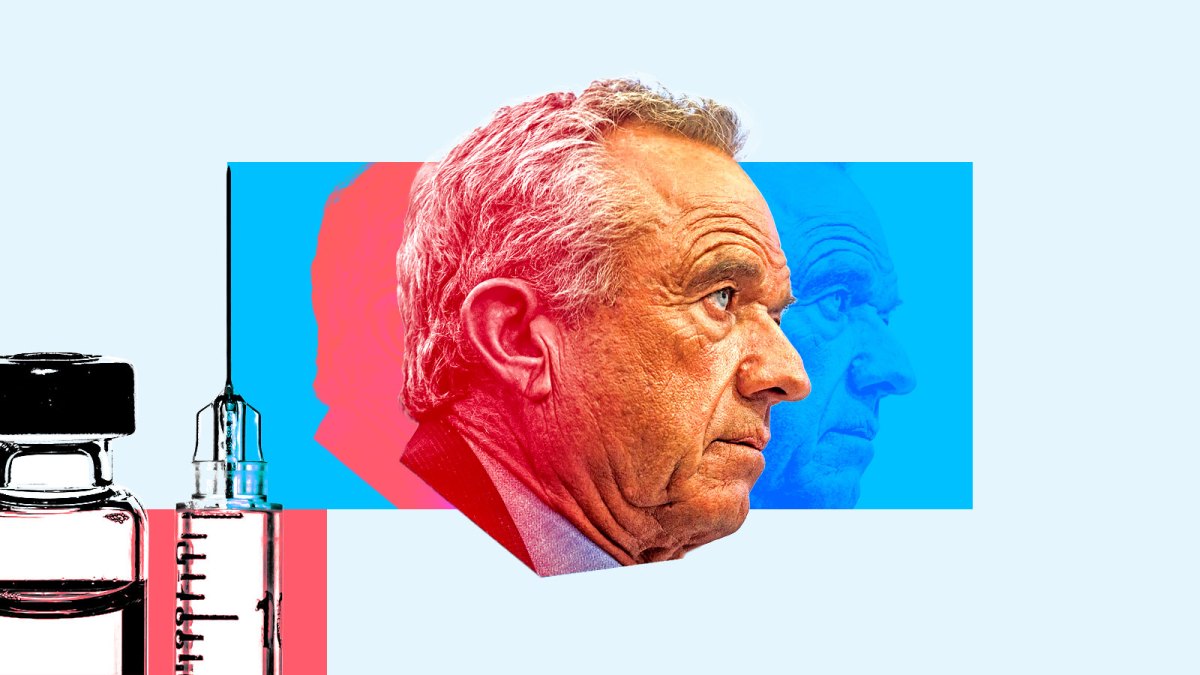
At the CDC headquarters in Atlanta, employees express a climate of fear and paranoia under the leadership of Health Secretary Robert F. Kennedy Jr. Since his appointment in February, over 10,000 staff members have been fired, creating turmoil among health workers who describe their workplace as reminiscent of Nineteen Eighty-four. There is an atmosphere of surveillance, with meetings avoided and communication restricted to maintain discretion.
Kennedy’s reforms, which he claims are aimed at “making America healthy again,” have led to significant shifts in health priorities and the cancellation of numerous research programs deemed “woke.” Many sources within the CDC, FDA, and NIH report a chaotic environment, impacting the effectiveness of public health efforts. Criticism of his administration includes the abrupt mass firing of all members of the advisory committee on immunization practices, raising concerns about the politicization of vaccines.
The dismantling of essential programs, such as childhood lead-poisoning prevention and chronic disease research initiatives, has many experts worried about public health repercussions. Staff members also face logistical challenges, like being expected to cover travel costs upfront.
Despite claims of improving government efficiency, many believe Kennedy’s approach has made operations more bureaucratic, undermining the agencies’ core responsibilities. The constant anxiety and lack of clarity about the future are causing distress among those who remain, with profound implications for U.S. public health.
