



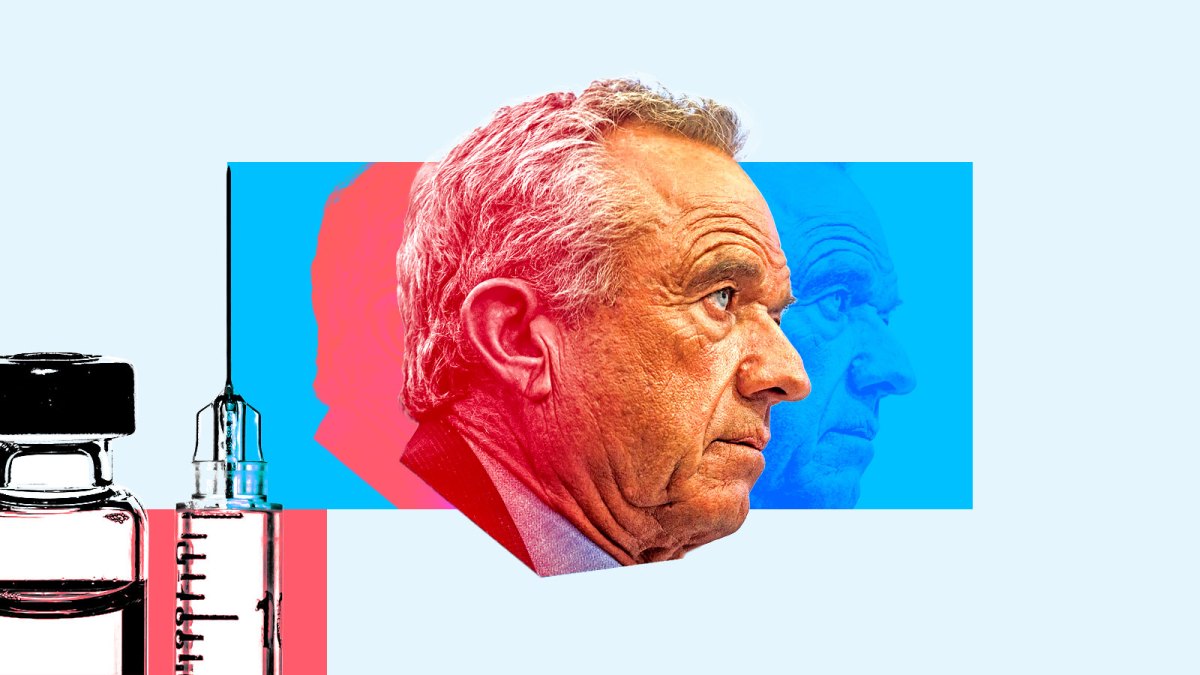
At the CDC headquarters in Atlanta, a climate of fear and secrecy prevails among employees following the appointment of Robert F. Kennedy Jr. as health secretary. With over 10,000 experienced staff laid off, many workers now avoid Zoom meetings, fearing surveillance, and hold sensitive discussions in soundproof offices. This atmosphere is likened to George Orwell’s Nineteen Eighty-four.
Kennedy’s administration has led to significant changes in health priorities and the cancellation of research programs viewed as “woke.” Critics within the CDC and other health agencies describe dysfunction and chaos, warning that such disruptions could harm public health. Key programs, including those for chronic disease prevention, have been dismantled, and grant processes have become increasingly bureaucratic. Specific concerns include a $500 million vaccine initiative reverting to outdated technology and the abrupt firing of the advisory committee on immunization practices, raising alarms about the politicization of vaccine science.
As many employees navigate a staffing crisis and diminished resources, fears persist about the erosion of health protections and oversight. Critics within the CDC voice deep concerns about Kennedy’s focus and the ambiguity around who truly controls the nation’s health policies, ultimately fearing the long-term repercussions for public health in the U.S.
