



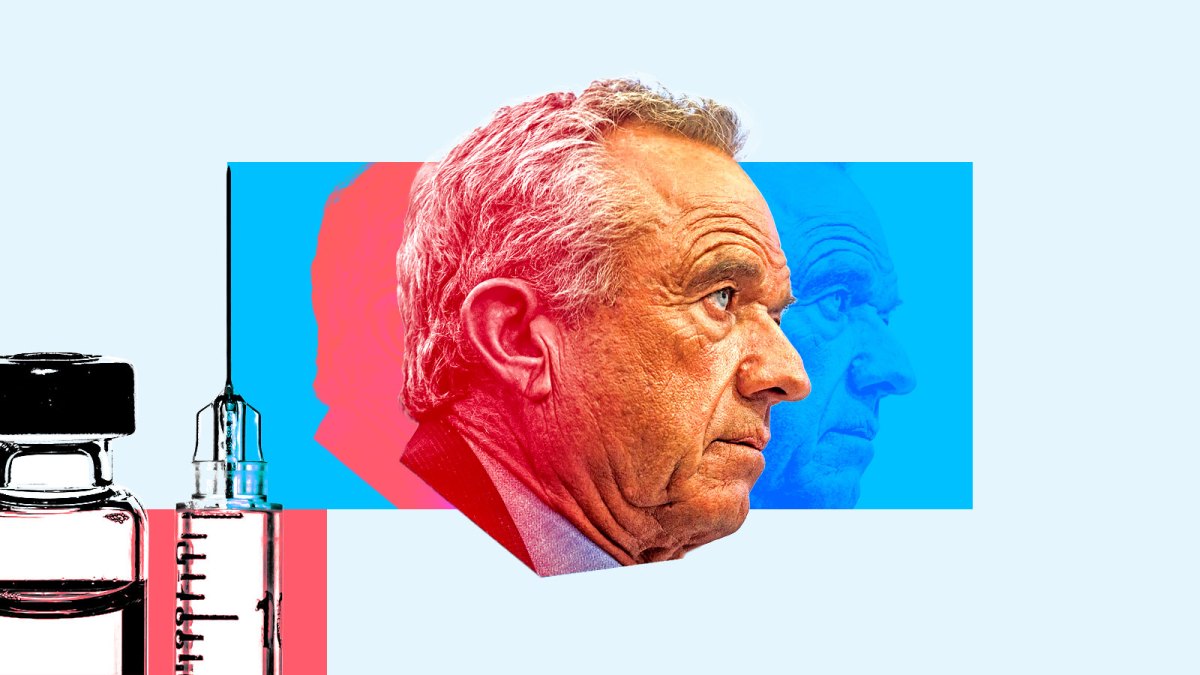
At the CDC’s Building 21 in Atlanta, employees have adopted a low-profile approach to navigate the tense environment characterized by paranoia and fear of surveillance, particularly since Robert F. Kennedy Jr. became health secretary. His administration has led to the termination of over 10,000 staff members, altering the dynamics among those who remain, many of whom express concerns about their diminished capacity to effectively combat public health issues. Reports of dysfunction include cancelled research programs, increased bureaucracy, and an alarming focus on political agendas rather than scientific integrity.
Kennedy’s reforms, including a controversial overhaul of vaccine policies and the abrupt firing of members from the immunization advisory committee, have further stirred discontent among scientists and health experts. Critics within the CDC and FDA describe a retreat from evidence-based practices and express fears over the potential consequences for public health, particularly with initiatives that contradict established scientific consensus.
The turmoil has left many staff feeling that their dedication to public health is undermined and that those still in their roles are experiencing heightened anxiety and uncertainty. Despite Kennedy’s claims of necessary change, insiders worry about low morale and the long-term impact of dismantling crucial health initiatives. Overall, the atmosphere is one of instability and impending crisis, as staff fear for both their careers and the health of the nation.
