



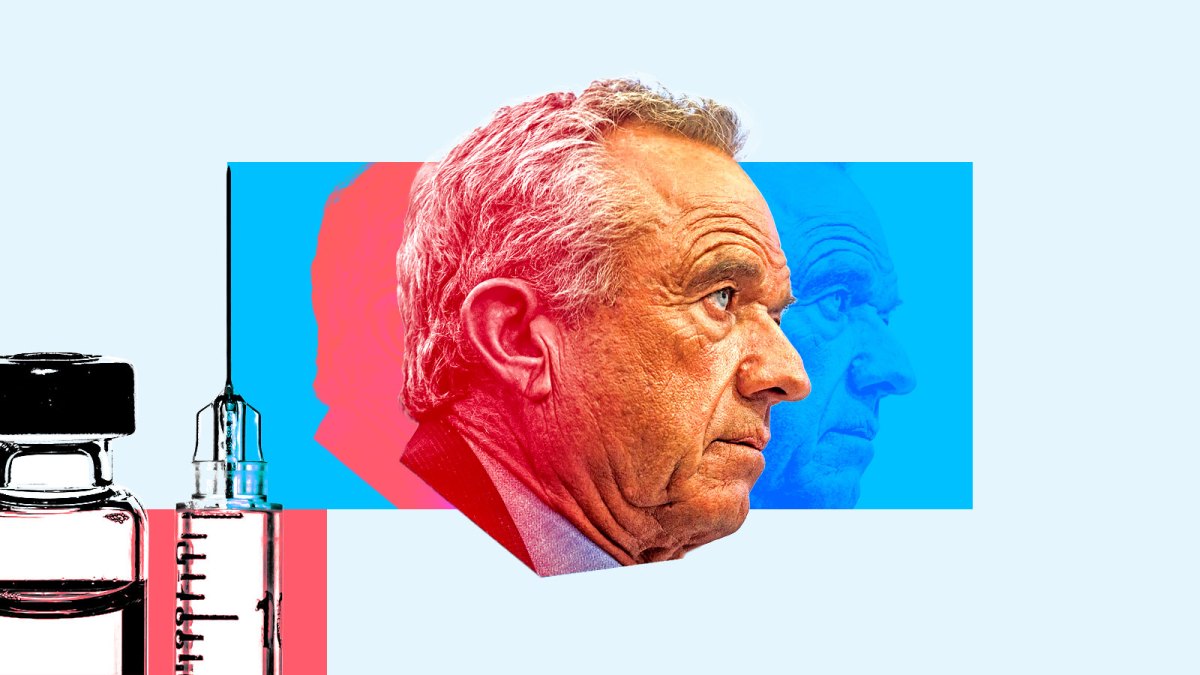
At the CDC headquarters in Atlanta, employees are increasingly fearful and secretive under Health Secretary Robert F. Kennedy Jr., who has instigated significant changes resulting in over 10,000 job losses, affecting experienced health workers and scientists. Amidst a climate of surveillance from the Department of Government Efficiency (Doge), staff avoid Zoom meetings and hold discussions in soundproof offices, with many opting for handwritten notes over digital documentation.
Kennedy’s reform agenda has led to the cancellation of numerous research programs and a reworking of health priorities, with critics arguing that his efforts are more about dismantling systems than improving public health. Key programs, such as the CDC’s childhood lead-poisoning prevention initiative and chronic disease research centers, have been shut down, worsening the health landscape in the U.S.
Kennedy’s controversial actions, including the dismissal of an entire vaccine advisory committee, are perceived as politicizing science, raising alarm among former officials about the potential negative impacts on vaccine availability and the credibility of health institutions. Inside sources express concerns that the restructuring processes are counterproductive and are leading to chaos within agencies like the CDC and FDA, ultimately threatening public health efficacy.
Questions about Kennedy’s leadership role arise amid speculation that other Trump appointees may wield significant influence, complicating the administration’s restructuring. Staff members who were dismissed reflect a reluctance to return, citing a conflict with the administration’s anti-science values, leaving many still employed feeling anxious and uncertain about the future.
