



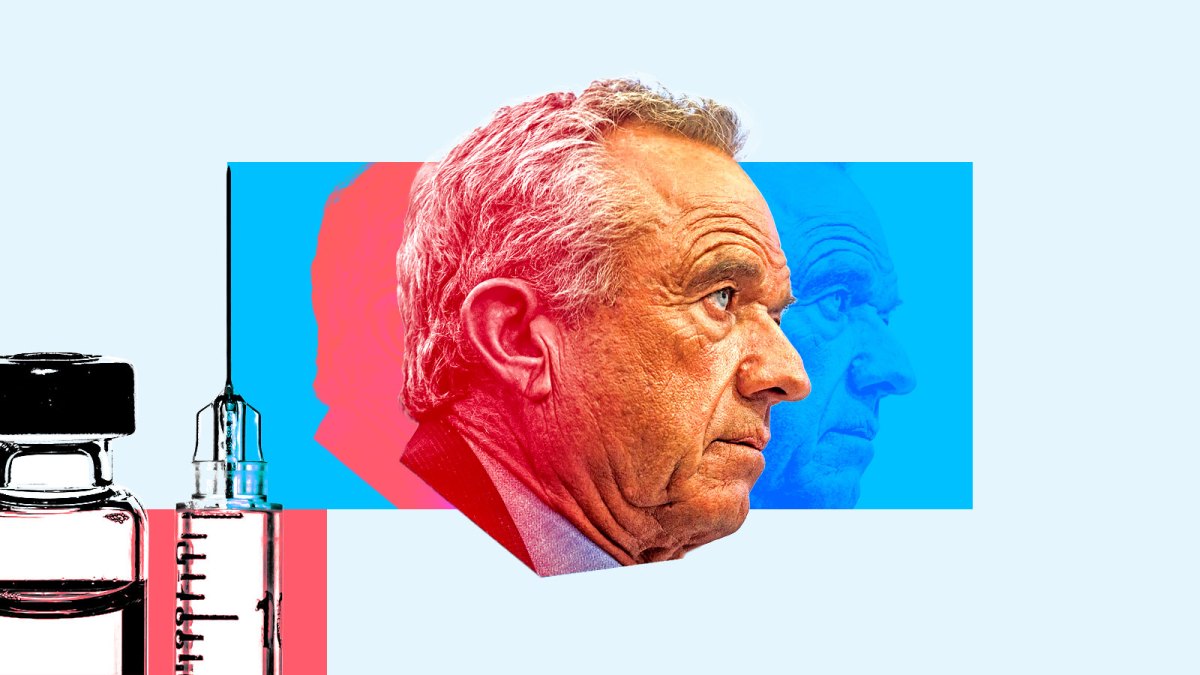
Workers at the CDC’s Building 21 in Atlanta are operating in a climate of fear and secrecy, cautious of potential surveillance and the recent firings of over 10,000 experienced staff since Robert F. Kennedy Jr. was appointed health secretary. Employees avoid Zoom meetings and hold sensitive discussions in soundproof offices, creating a sense of being continuously monitored by the Department of Government Efficiency (Doge).
Kennedy’s reforms, aimed at making American health systems more efficient, have led to widespread disruption. Many scientific research programs, including those focused on chronic diseases, are being dismantled. Insiders describe a chaotic environment where essential resources are scarce, resulting in staff scavenging for basic supplies.
Kennedy has controversially restructured health priorities, especially regarding vaccines, including firing a long-standing advisory committee to restore confidence in vaccine science. Critics, including former committee members, warn that his actions are politicizing vaccines and undermining public health.
Many CDC employees express deep concerns about the impact of these changes on American health, with some suggesting the current administration prioritizes budget cuts and efficiency over science and evidence-based practices. As uncertainty looms, those remaining at the CDC grapple with anxiety about the future, fearing the broader implications for health in the U.S.
