



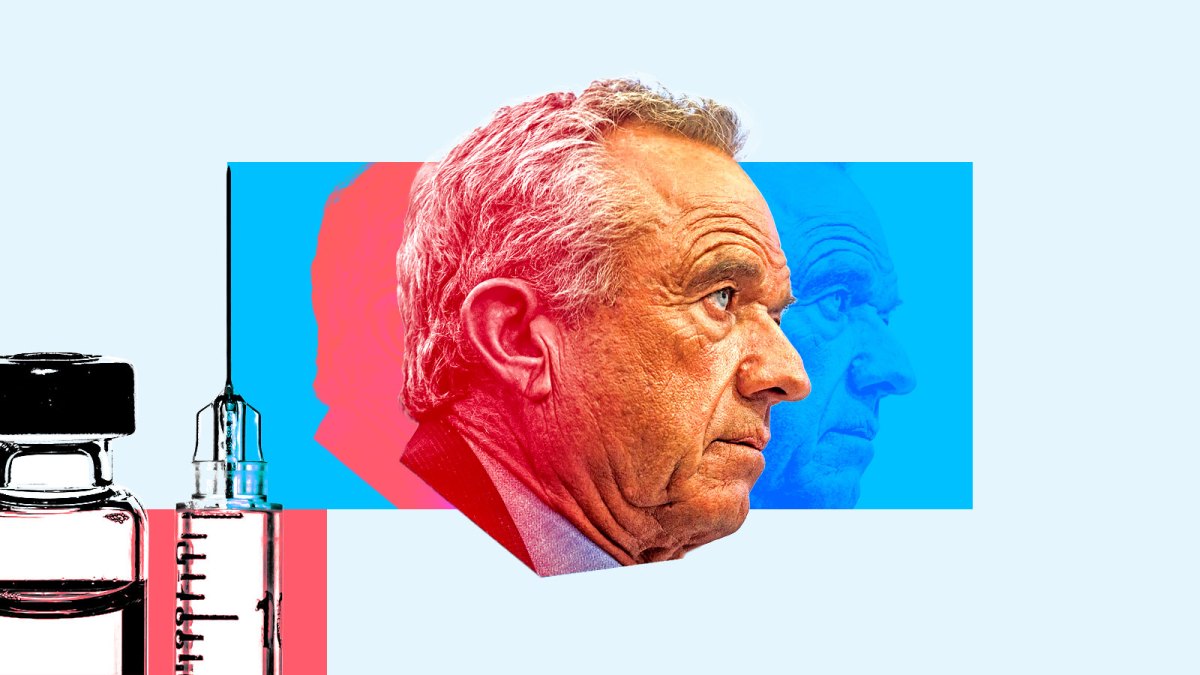
At the CDC’s Building 21 in Atlanta, staff are operating under a heightened sense of surveillance after a significant shake-up following Robert F. Kennedy Jr.’s appointment as health secretary. Over 10,000 experienced employees have been fired, creating chaos and a culture of secrecy among the remaining workers, who avoid digital communication due to fears of being monitored.
Under Kennedy’s leadership, longstanding scientific protocols have been disrupted, and many research programs have been canceled, with a specific focus on eliminating what is viewed as “woke” influence in health priorities. Critics within the CDC and other health agencies, like the FDA and NIH, express concerns that this upheaval jeopardizes public health efforts, including crucial initiatives for chronic disease prevention.
Kennedy has been particularly controversial in his approach to vaccines, recently firing all members of the advisory committee on immunization practices, which has raised alarms about the politicization of vaccine science and public safety. His emphasis on traditional vaccine technologies and the dismantling of modern scientific practices has been met with skepticism from established experts.
Staff members describe an atmosphere of dysfunction, with inadequate supplies and bureaucratic obstacles hampering day-to-day functions. Many are disillusioned, fearing that the administration’s anti-science tendencies will have lasting negative impacts on public health. As uncertainty reigns, insiders worry about who truly controls health policy in the U.S. under Kennedy’s regime, further complicating the path forward for American health infrastructure.
