


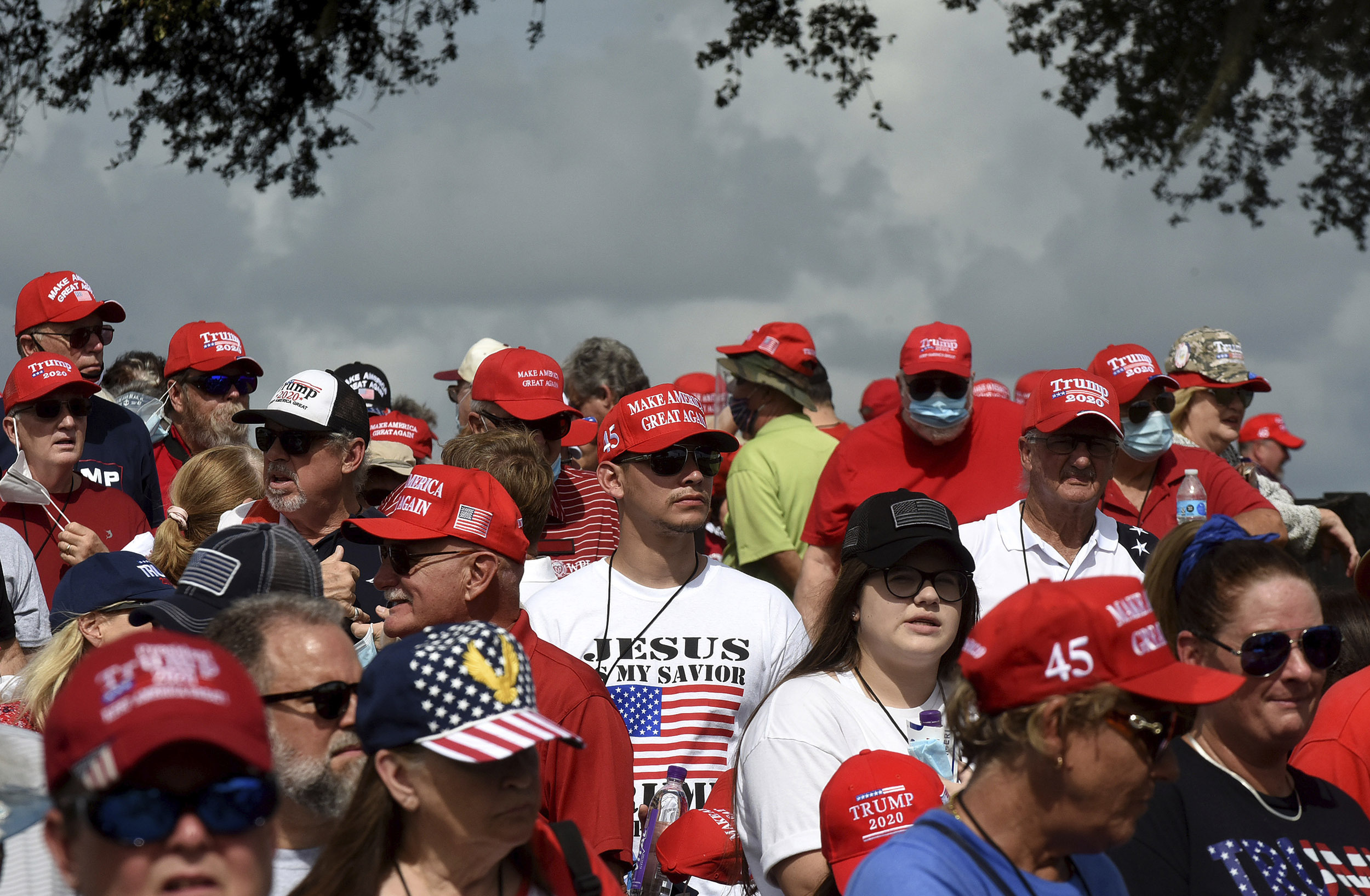
The importance of the pandemic as an election issue varies significantly along partisan lines. A Pew Research Center poll shows that 82% of Biden supporters view it as crucial, while only 24% of Trump supporters agree, indicating a substantial decline since August. Many Trump backers feel the pandemic’s dangers have been exaggerated and, with a vaccine expected soon, are less inclined to support lockdowns.
This divide has alarmed public health experts. Political scientist Tom Nichols suggests that this crisis represents an intersection of science and partisanship, underscoring a broader conservative trend against expertise. The backlash against science has evolved into a symbol of political loyalty, as seen in the behavior of Trump’s fervent supporters.
Experts like Theda Skocpol emphasize that conservatives are not necessarily ignorant of the virus’s seriousness; rather, their opposition to experts stems from a resentment of their political authority. They argue that Trump’s repeated denials and scorn for scientific advice have shaped this skepticism, amplified by conservative media and social media misinformation.
Jennifer Lerner points out that the perception of the pandemic’s economic impact varies by profession, further fueling feelings of unfairness and anger among those less affected, leading to risk-seeking behavior.
Amid a contentious reelection campaign, Trump’s encouragement for supporters to dismiss health warnings has less to do with cult-like loyalty and more with cognitive dissonance, as supporters grapple with conflicting information about the virus.
Nichols also criticizes the public health community for not uniformly condemning large gatherings, which weakened their credibility and further entrenched partisan divides. As actors in this landscape, both political and medical leaders have contributed to the current climate of chaos and mistrust in science.
