



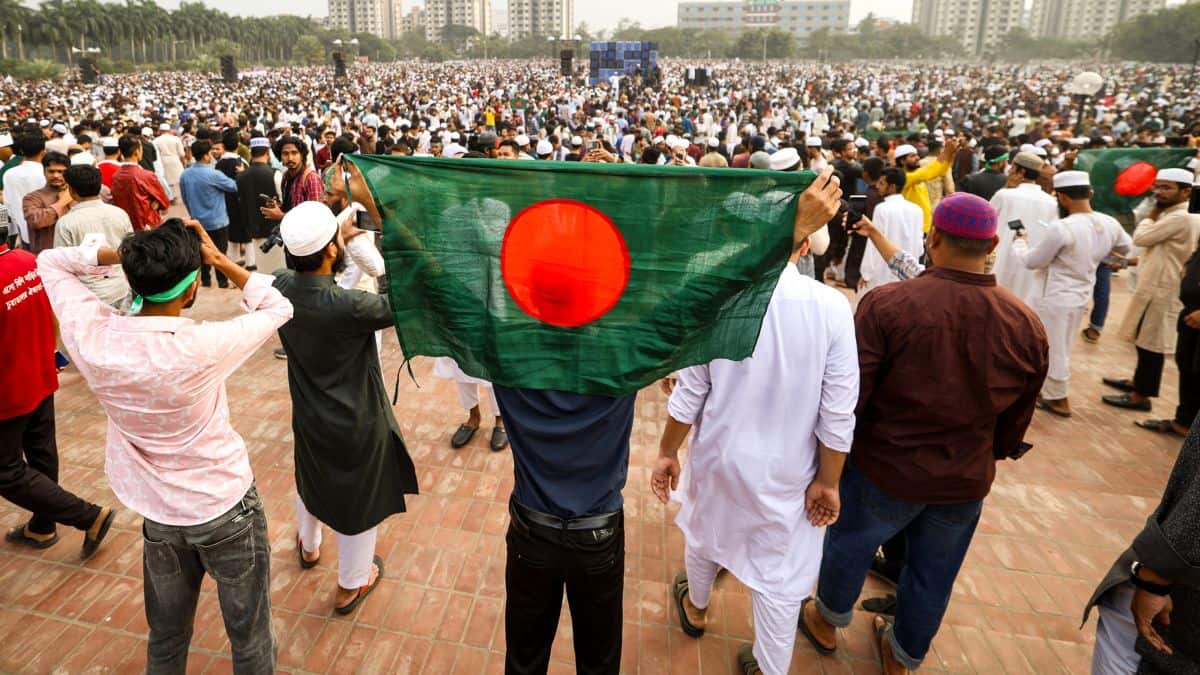
In politically fragile Bangladesh, disinformation has emerged as a potent tool for shaping public opinion, particularly highlighted by the assassination of Islamist student leader Osman Hadi in December 2025. In the wake of his murder, the interim administration quickly shifted blame, accusing India of harboring the perpetrators without substantiated evidence. This narrative not only escalated tensions between India and Bangladesh but also provoked violence against Hindu communities in Bangladesh, demonstrating the real-world consequences of inflammatory narratives.
The situation was exacerbated by the increased influence of Pakistan’s military and intelligence in Bangladesh, alongside radical Islamist organizations like Jamaat-e-Islami exploiting the political instability. The disinformation campaign began with unverified claims, including deepfake imagery, alleging that Indian entities were involved in Hadi’s murder. Bangladesh’s government continued to promote this narrative despite Indian denials and clearer evidence indicating that the accused had fled to Dubai instead of India.
The breakdown of this narrative came when one alleged killer, Faisal Karim Masud, publicly denied involvement and stated he had exited to Dubai after the attack. The use of disinformation aimed to deflect scrutiny from the actual perpetrators, allowing Islamist networks to consolidate power and intensifying violence against minority communities. This incident exemplifies how weaponized information can destabilize societies, erode accountability, and threaten national cohesion, reflecting a broader pattern of influence operations that can have dire consequences.
