



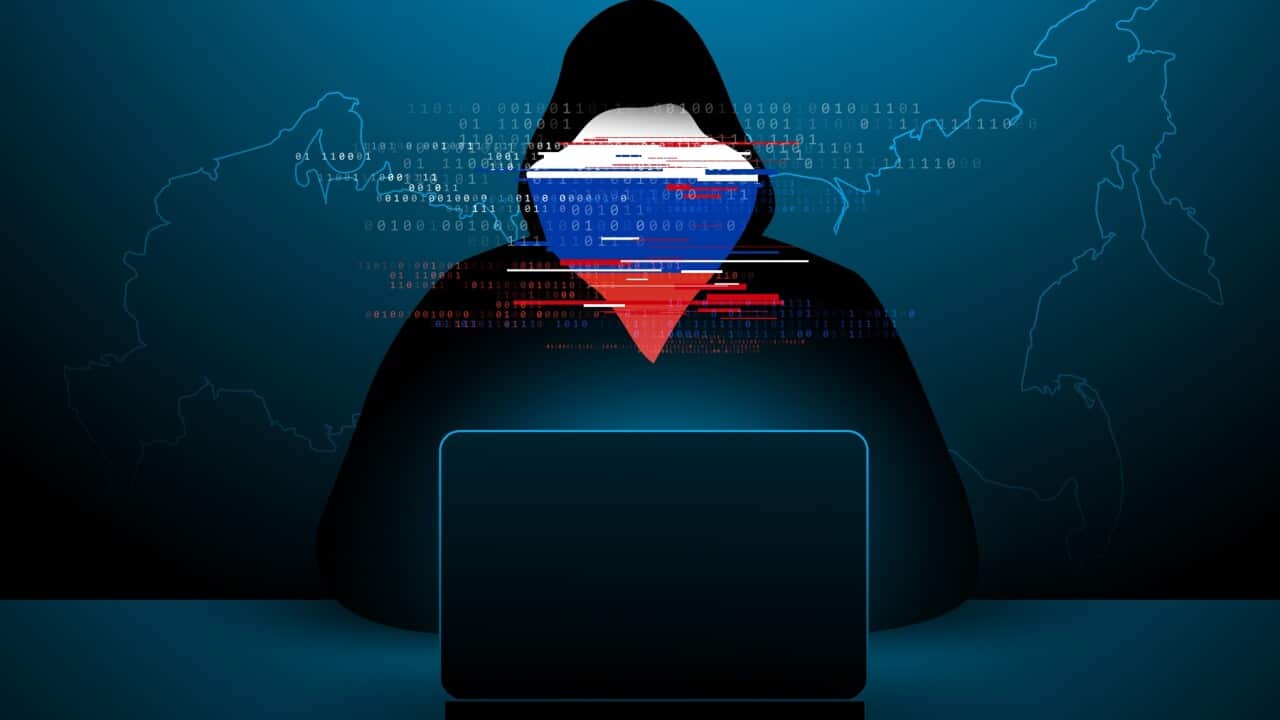
The article discusses the role of disinformation in the Russia-Ukraine conflict, highlighting a notorious fake news story from 2014 that falsely alleged Ukrainian soldiers crucified a three-year-old boy. Though debunked by Russian independent media, the story influenced public perception and recruitment into conflict. A report by the European External Action Service reveals that Russia employs information manipulation as a strategy to undermine international support for Ukraine and distract from its military actions and war crimes.
Experts, including Evgeny Feldman and Patrick Boehler, note how disinformation tactics are designed to mimic journalistic practices, complicating the fight against propaganda. The EUvsDisinfo initiative has debunked over 18,000 Russian disinformation cases, including accusations against Ukraine regarding Nazism. Despite the well-documented nature of these disinformation campaigns in Europe, discussions in Australia remain limited. A recent Senate inquiry highlighted the need for accountability regarding Russia’s propaganda, emphasizing that the media should avoid false balance between victims and oppressors. Anton Bogdanovych from the community group “Ukrainians in Sydney” stressed that propaganda can transform ordinary people into supporters of atrocities.
This reporting was influenced by a research trip organized by the German Federal Foreign Office and the National Press Club of Australia.
