



Ehsan Ullah Ehsan, former spokesperson for the banned Tehrik-i-Taliban Pakistan (TTP), recently appeared openly on the platform X, raising concerns about the lack of moderation for his extremist views. This incident reflects a broader coordinated campaign aiming to destabilize Pakistan’s security institutions and tarnish its international reputation, seemingly supported by foreign entities. Ehsan’s collaboration with controversial figure Adil Raja, who has made baseless allegations against Pakistan, indicates a strategic move to manipulate public opinion and spread anti-Pakistan narratives.
Media outlets, such as the Sunday Guardian, have introduced Ehsan as an expert on Pakistan’s security, which raises ethical questions about platform responsibilities in allowing figures with terrorist backgrounds to access vast audiences. The incident underscores the urgent need for social media giants to establish firm guidelines to control content that encourages violence, extremism, and disinformation.
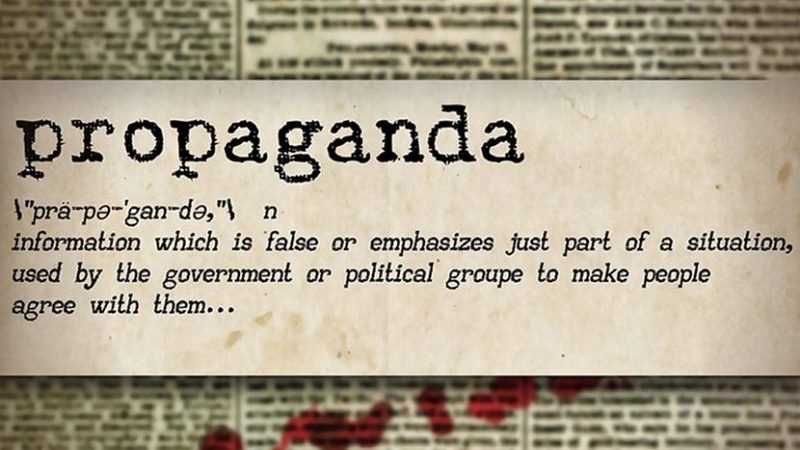
Both Ehsan and Raja exemplify hybrid warfare through media manipulation, employing social media to sow division and undermine trust within Pakistan. Their narratives, despite being discredited, reflect foreign involvement in disinformation efforts that threaten national security. However, such attempts have begun to lose credibility domestically and internationally as their true motives become evident.
The article raises critical questions about the accountability of individuals propagating misinformation, the responsibilities of social platforms, and the role of the international community in countering these challenges to global peace. Ultimately, the partnership of Raja and Ehsan represents a well-coordinated disinformation campaign aiming to destabilize Pakistan, but their efforts are increasingly exposed and unlikely to succeed.
