



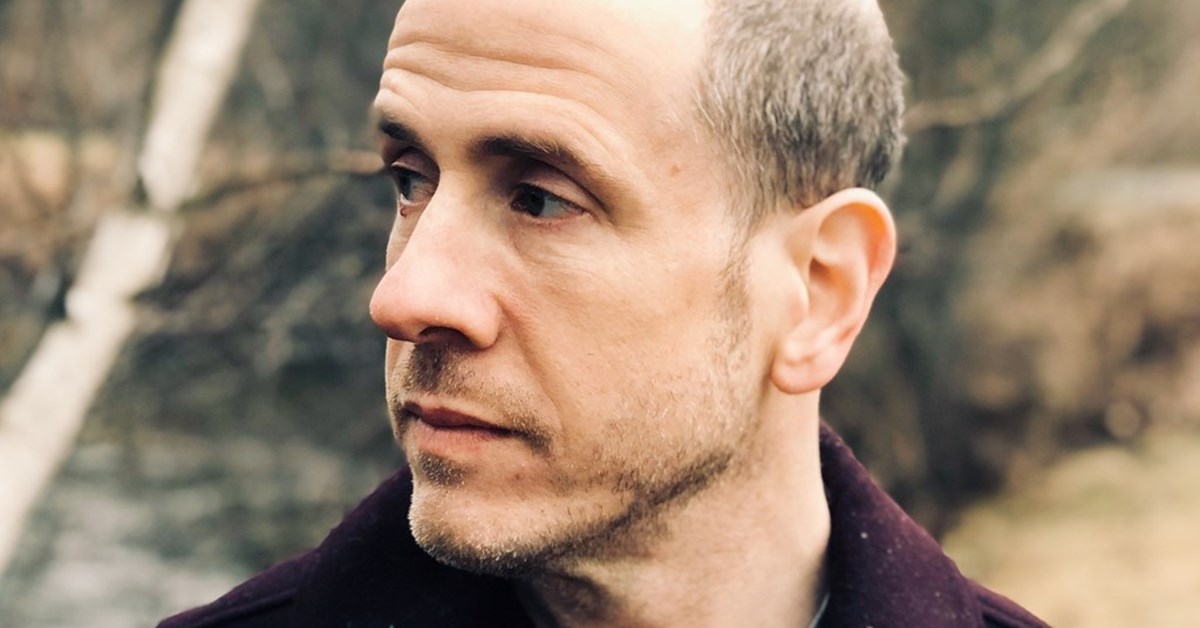
Jeff Sharlet, a writer and journalist, has been documenting the rise of nationalism within conservative American Christianity since the 1990s. His latest book, The Undertow: Scenes from a Slow Civil War, explores the grassroots nationalist fervor evident during the Trump era, sparked by events like the January 6 insurrection. The book recounts Sharlet’s experiences attending right-wing rallies and nationalist churches, highlighting the alarming sentiments he encounters—many contemplate a potential civil war and express violent intentions.
Sharlet describes the current U.S. political landscape as a burgeoning fascist movement rather than a consolidated regime. He emphasizes the pivotal role of Donald Trump, whose support from Evangelicals has normalized extreme views and mobilized a radicalized Christian Right. His observations reveal a deeply intertwined relationship between religion and political radicalism, with Trump seen as a messianic figure by many.
Reflecting on societal changes since Trump’s rise, Sharlet notes a generational shift among students at Dartmouth College, where he teaches. He aligns the current moment to a prolonged state of despair, suggesting that organizations resisting ICE and similar institutions are vital, even if insufficient. He advocates for a proactive response, using ’embodiment’—physically being present in community advocacy—as a vital form of resistance against global fascism.
Sharlet also asserts the importance of symbolic actions, citing instances where religious communities employed imagery and presence to challenge the status quo. He believes these actions can have significant impacts, even if primarily symbolic. His own narrative interweaves personal health struggles, reflective of the emotional toll of witnessing violent sociopolitical dynamics.
The Undertow posits that while the era may feel oppressive, history shows that no fascism is enduring. Sharlet envisions a movement toward renewal and emphasizes the necessity of community engagement against autocratic forces. His work serves as both an urgent call to action and a reminder of the transformative power of embodiment in the face of rising authoritarianism.
