



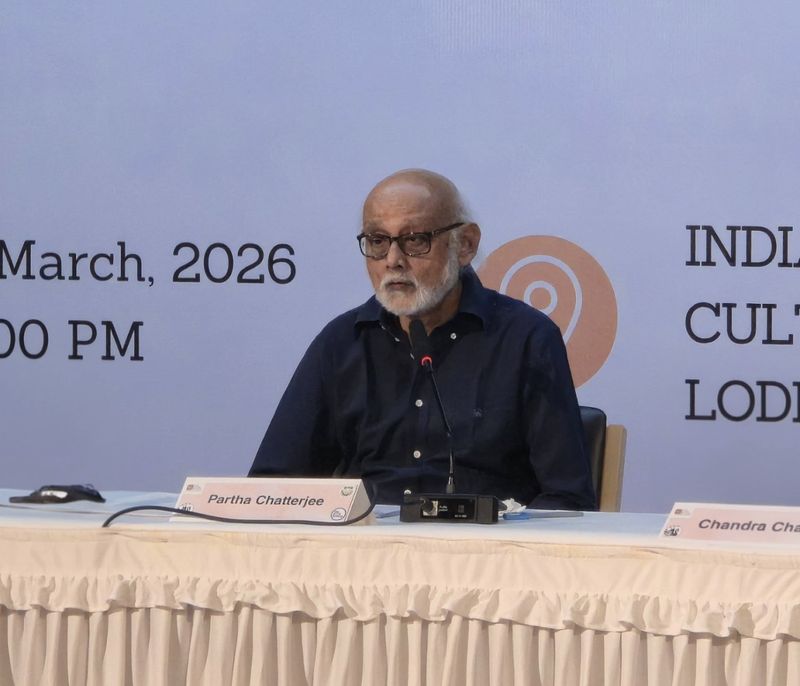
Partha Chatterjee, a prominent political theorist, spoke about the rising significance of populism in modern politics during the fourth Nikhil Chakravartty Memorial Lecture in New Delhi. He noted that while the term “populism” was not widely used in the 1970s, it has become essential for understanding current global political dynamics, especially in the context of neoliberalism’s impact since the late 20th century.
Chatterjee traced the evolution of populism, suggesting it emerged alongside the expansion of welfare states post-World War II but faced challenges from neoliberal ideologies, which led to increased inequality and social discontent. This discontent, he argued, fueled anti-immigrant sentiments in Europe.
He emphasized that populism can unite a variety of grievances under “the people” against elites, allowing it to encompass both right and left ideologies. However, Chatterjee highlighted that fascism is strictly an “ultranationalist right-wing movement” that historically dismantles democratic institutions through alliances with conservative elements.
Referencing twentieth-century European fascism, he warned that contemporary political trends, like the January 6 Capitol attack in the U.S. and the political situation under India’s Prime Minister Narendra Modi, raise concerns about whether populist movements might evolve into authoritarian regimes. Chatterjee concluded by questioning whether populist regimes would permit democratic governance after electoral defeat or attempt to reshape the political landscape entirely.
