



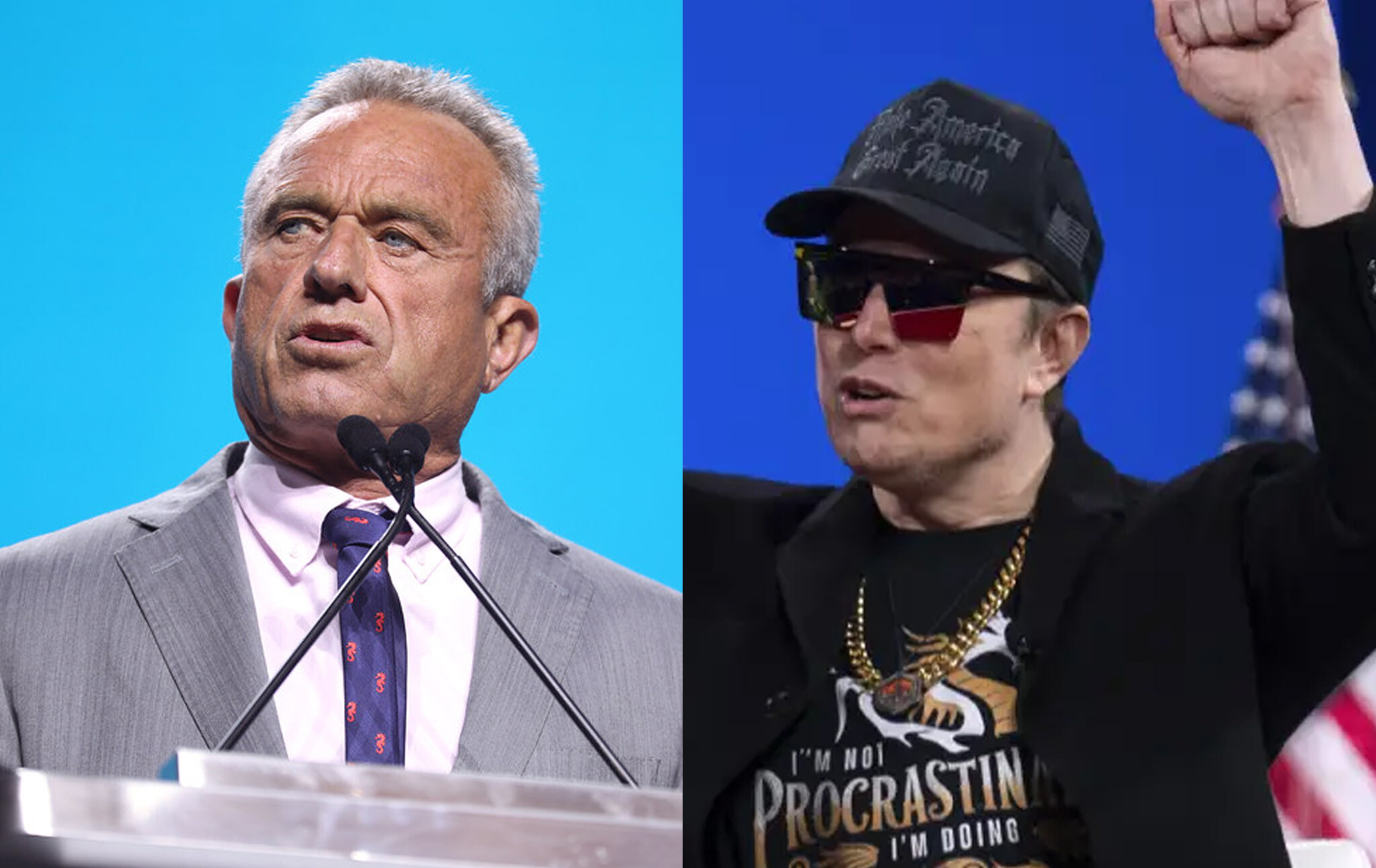
The article discusses the skepticism surrounding the existence of Atlantis and draws parallels with contemporary debates about scientific truth, particularly in the context of Robert F. Kennedy Jr.’s views on vaccines. It illustrates how some people believe mainstream archaeologists are concealing evidence of Atlantis, casting them as an “anti-science” priesthood resistant to new ideas. However, the author argues that the evidence for Atlantis is weak, highlighting that its proponents often rely on misleading techniques rather than credible archaeology.
Elon Musk recently defended Kennedy’s anti-science stance, framing his skepticism of vaccine efficacy as a fundamental scientific attitude. The article counters this by emphasizing that questioning established science is not enough; sound evidence and rigorous inquiry are crucial. Kennedy’s claims, such as the supposed health benefits of contracting measles, are refuted by data showing a high risk of mortality and long-term health issues associated with the disease.
The author challenges Musk’s notion that skepticism alone qualifies as scientific inquiry. They assert that while all scientists should question truths, it must be backed by evidence and critical analysis. Ultimately, the piece cautions against being misled by figures like Musk and Kennedy, who mask pseudoscience and junk science behind a facade of critical inquiry.
