



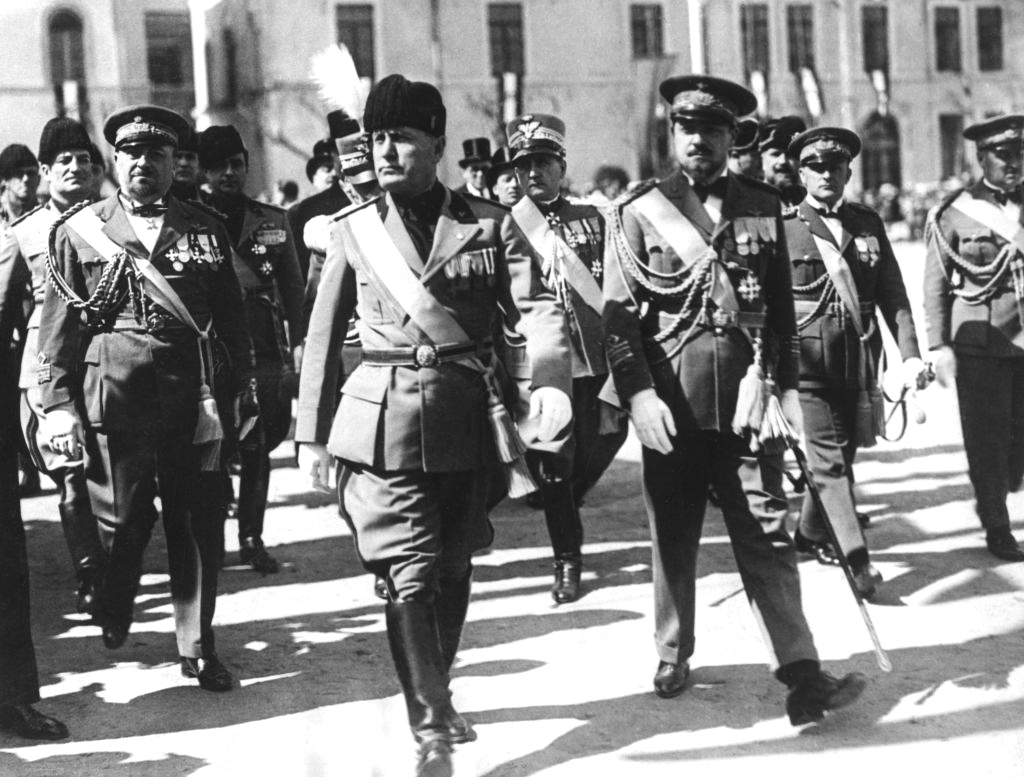
Over three decades ago, British historian Tim Mason raised concerns about the declining theories of fascism in historical research. He emphasized the importance of exploring the similarities and differences between Italian Fascism and German Nazism while avoiding an agnostic view of their uniqueness. Although such discussions may seem distant in today’s political climate, the rise of far-right movements globally underscores the relevance of Mason’s insights.
As the far right marches onward—from Latin America to Europe—rigorous historical analysis is needed to understand this resurgence. The term “fascism” itself is contentious; some argue it’s vital for understanding and predicting future developments, while others warn it may anchor us too firmly in past interpretations, obscuring contemporary realities. This debate produces numerous labels and definitions—like neo-fascism and techno-fascism—pointing to a struggle to capture today’s political dynamics accurately.
The historical context of fascism often involved severe economic and social crises, leading to the rise of authoritarian movements. The far right today exhibits similarities—such as nationalism, racism, and anti-Marxism—but operates in a different landscape marked by neoliberal economic policies and a decentralized movement structure. The mass mobilization characteristic of historical fascism has diminished, replaced largely by electoral strategies.
Some contemporary movements openly draw from fascist ideology. However, their manifestation often lacks the mass support and organizational cohesion seen previously. While historical fascism thrived in the aftermath of World War I, today’s far right exploits ongoing economic discontent and social fragmentation, often using scapegoating tactics against marginalized groups.
The political landscape allows figures such as Trump and Meloni to thrive, showcasing troubling authoritarian trends like attacks on civil liberties and the rule of law. This resurgence leans heavily on historical revisionism and a media ecosystem that enables disinformation.
Ultimately, the discourse surrounding “fascism” becomes an inadequate analytical tool. As political, economic, and social conditions evolve, the challenge lies in understanding the underlying factors that facilitate the rise of autocratic tendencies rather than becoming mired in debates over terminologies. Recognizing the complex interplay of these dynamics is essential for confronting the current political crisis—a task that demands urgent attention and critical inquiry.
