


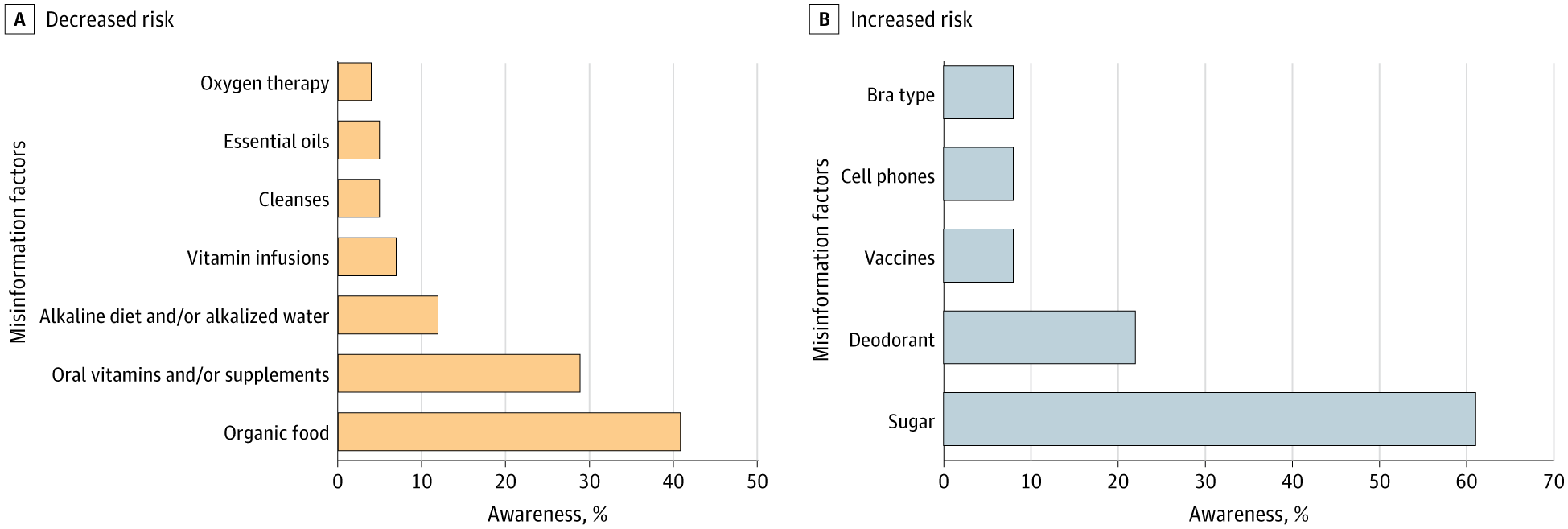
The article discusses the ongoing issue of medical misinformation in the U.S., highlighting how both Republicans and Democrats have been involved in spreading conspiracy theories related to pharmaceuticals and health. It begins with historical examples, such as the backlash against the HPV vaccine, and critiques the belief that vaccines are tied to accountability issues compared to traditional medications. The article also cites survey data indicating that a significant number of educated individuals believe in various misconceptions about health risks, such as the dangers of sugar, deodorants, and cell phones.
The piece emphasizes that while misinformation is pervasive, many individuals do not abandon legitimate medical care despite encountering these myths. It points out the discrepancy in accountability between pharmaceutical companies, which can face legal repercussions for false claims, and supplement companies, which benefit from lax regulations. The author calls for skepticism towards health claims, regardless of the source, warning against both anti-science beliefs and pseudoscience promoted by various groups. Overall, the article reflects on the complex interplay of politics, media, and public trust in health-related information.
Citation: Miller DG, et al. JAMA Netw Open. 2025.
