


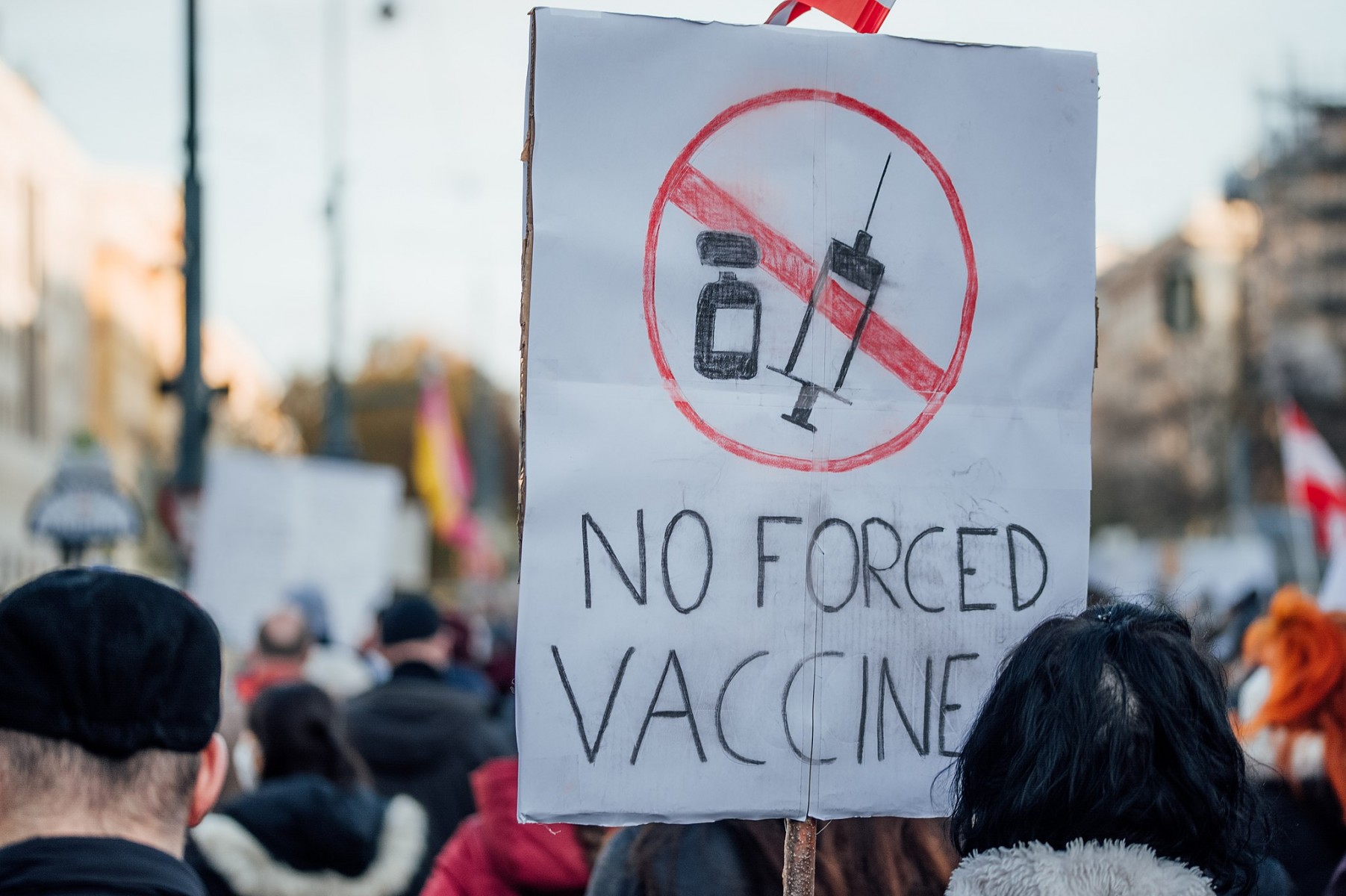
A recent review highlighted by a paper in the Proceedings of the National Academy of Sciences identifies four key factors contributing to the rise of anti-science attitudes: skepticism about scientific credibility, group identity, conflict with existing beliefs, and mismatched communication styles. The authors, including lead researcher Aviva Philipp-Muller, argue that contemporary political dynamics have intensified these factors, leading to an increase in the rejection of scientific consensus on issues like vaccines and climate change.
The paper notes that social media and varied information sources have allowed misinformation to flourish, while political ideology now plays a crucial role in how individuals process scientific information. This politicization means that people may refuse new scientific data to protect existing beliefs.
To combat anti-science attitudes, the authors suggest evidence-based strategies, such as framing pro-science messages to acknowledge opposing concerns and finding common ground with skeptics. Ultimately, they call for scientists to enhance their communication techniques to effectively engage diverse audiences and promote public acceptance of science.
