



The article critiques the varied interpretations of fascism, emphasizing that it cannot be rigidly defined but is a dynamic process influenced by socio-economic crises. Contemporary fascism, unlike its 1930s predecessors, is a reaction to the failures of neoliberal globalization initiated in the 1980s, which has left many disillusioned with democracy. Instances of rising fascism are observed in countries like India, Hungary, and the U.S., characterized by electoral manipulation and xenophobic policies.
The author argues that fascists often disrupt legitimate state functions and employ strategies to strengthen their control. This includes creating a “we”-“they” dynamic to unite supporters while simultaneously leveraging global networks. Figures like Trump exemplify a shift toward unfreedom, exploiting societal grievances against elites.
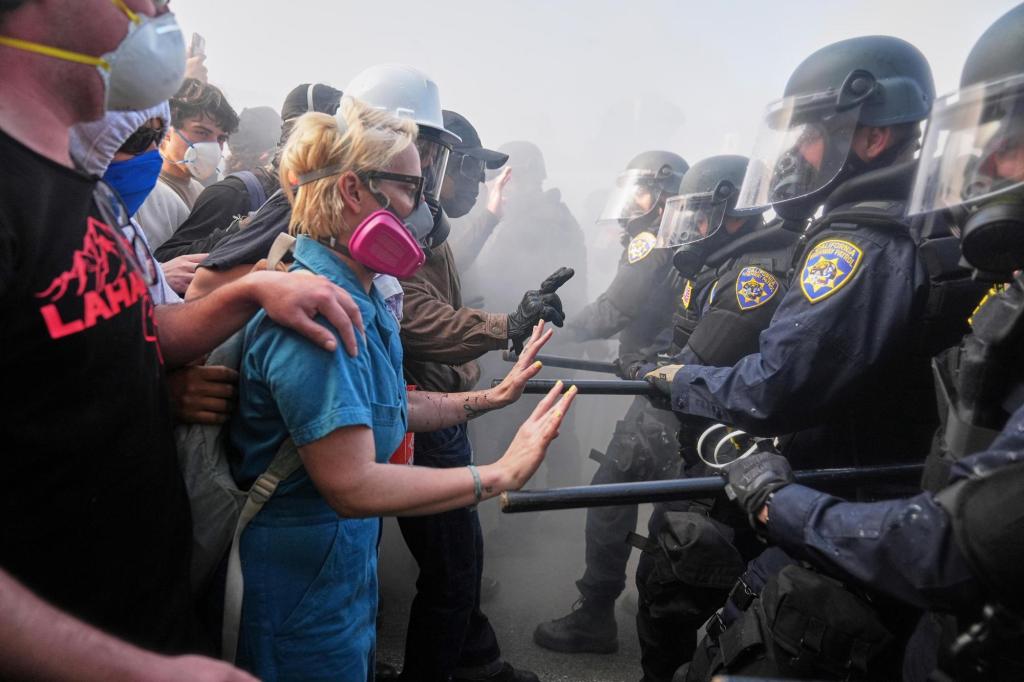
To combat this rising tide, the article proposes a strategy known as “political jujitsu,” which involves nonviolent resistance that turns opponents’ actions against them, drawing public attention to state-sponsored abuses. Historical figures like Gandhi and Mandela are cited as successful examples of this approach. A hopeful outlook is suggested, particularly with the increased political engagement among Gen Z and a revival of class politics as a counter to rising autocracy.
