



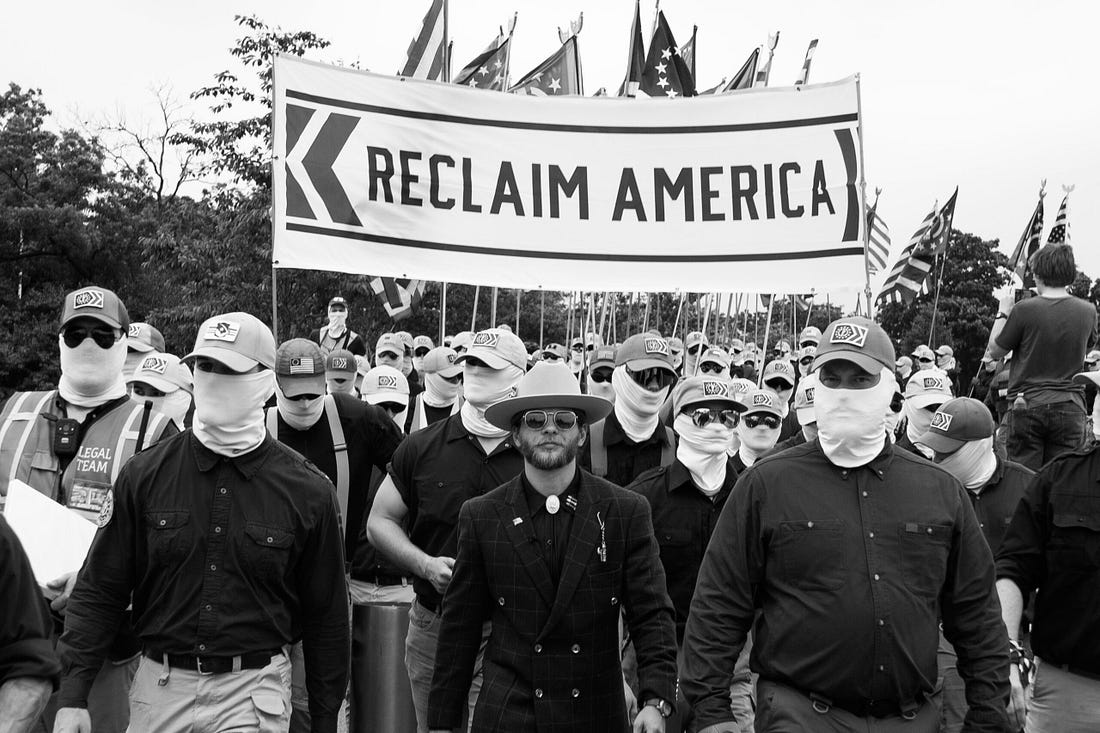
The article discusses the work of Princeton historian Kevin Kruse, particularly his views on the prevalence of white supremacy in American politics, a theme emphasized in his book Fault Lines: The History of America Since 1974. The author highlights Kruse’s assertion that the Trump administration operates as a “white nationalist project,” noting the recent overt racism exhibited by ICE agents and Trump’s rhetoric against nonwhite communities, including Somali immigrants.
The article further critiques the Trump administration for its unqualified appointments, particularly focusing on Jeremy Carl, nominated for Assistant Secretary of State for International Organizations. Despite extensive evidence of Carl’s extreme views on race and “white culture,” his nomination reflects the administration’s commitment to white nationalism.
The piece also discusses the broader implications of this trend, mentioning the lack of Republican condemnation for such views, signaling acceptance of white supremacy. It suggests that while research indicates a significant portion of Americans reject these ideologies, a substantial base remains supportive of the Trump administration’s agenda. The article concludes with the idea that reversing these trends will require active voting and political engagement, particularly from younger, more secular generations.
