


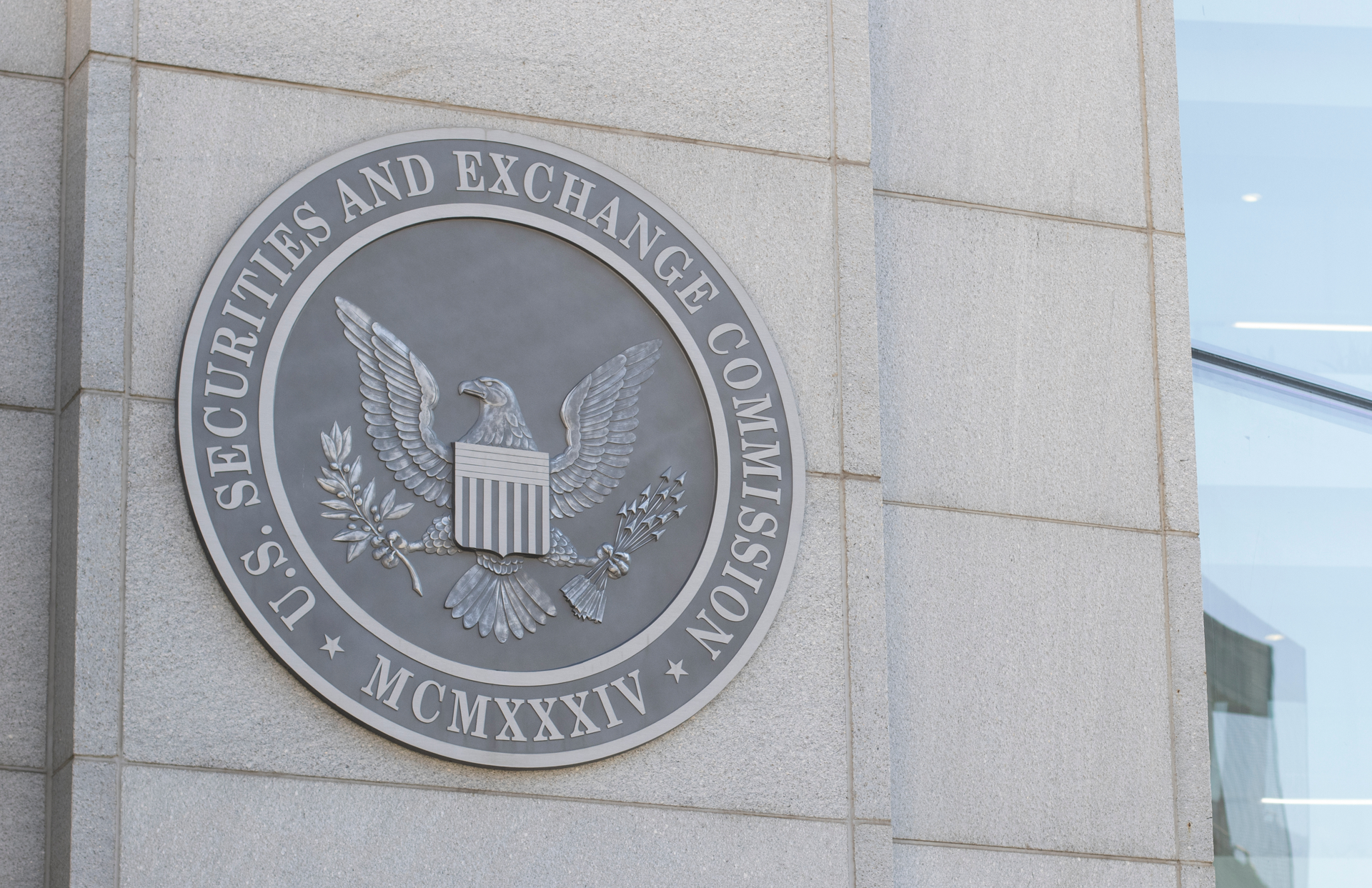
In a recent congressional testimony, SEC Chairman Atkins was scrutinized for the SEC’s actions perceived as consolidating power among a corporate oligarchy. Critics argue that the SEC has made significant changes favoring powerful corporations while restricting the influence of smaller shareholders, responsible asset managers, and the judiciary.
Since the Trump administration, the SEC has altered policies to make it easier for companies to block shareholder proposals on key issues like workers’ rights and climate change. This included approving mechanisms that allow corporate management to secure favorable votes from retail investors indefinitely and changing rules to limit communication through the SEC’s EDGAR system to major shareholders only.
The SEC’s new guidance also poses regulatory compliance challenges for large asset managers engaging with corporations, further shifting decision-making power towards corporate insiders. Additionally, the agency is moving to dilute corporate disclosure requirements, which would reduce shareholder input and hinder accountability.
Moreover, a recent shift in the SEC’s stance allows corporations to block shareholders from legally pursuing claims for fraud, further weakening their protection.
This trend reflects not only the SEC’s role but also broader legislative actions in states like Delaware, Texas, and Nevada, which are enacting laws to attract businesses by favoring corporate interests over stakeholder accountability. Overall, critics stress the need for Congress to oppose the SEC’s contributions to this consolidation of power among a few billionaires, which heightens concerns about inequality and the influence of an emerging aristocracy in the corporate realm.
