


On February 12, Bangladesh will hold a referendum alongside its national parliamentary election, marking the first time these two events coincide. A referendum, often unfamiliar to many voters, aims to gauge public opinion on specific issues rather than elect candidates. The last referendum occurred 35 years ago, meaning many current voters have never participated in one.
The referendum is framed within the context of Bangladesh’s political history, which has included periods of fascism. It seeks to validate the “July National Charter 2025,” a proposed roadmap for reform based on public aspirations following decades of undemocratic governance. Voters will respond to four grouped questions concerning 48 constitutional reform proposals with either a “Yes” or “No.”
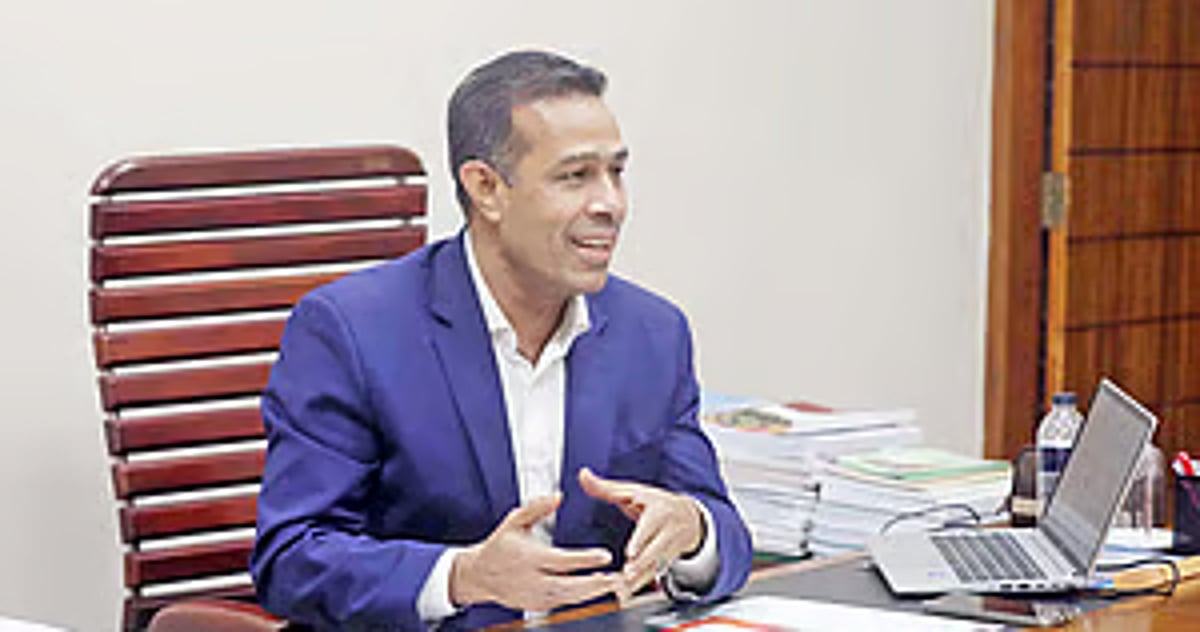
Some critics question the binary answer format of the ballot, as it may not allow voters to express mixed opinions on the different questions. However, Haider argues that this approach is standard for major constitutional reforms worldwide and is not a new practice for Bangladesh. The referendum ballot will feature distinct symbols—a tick for approval of the reforms and a cross for opposition—to guide voter choices.
