



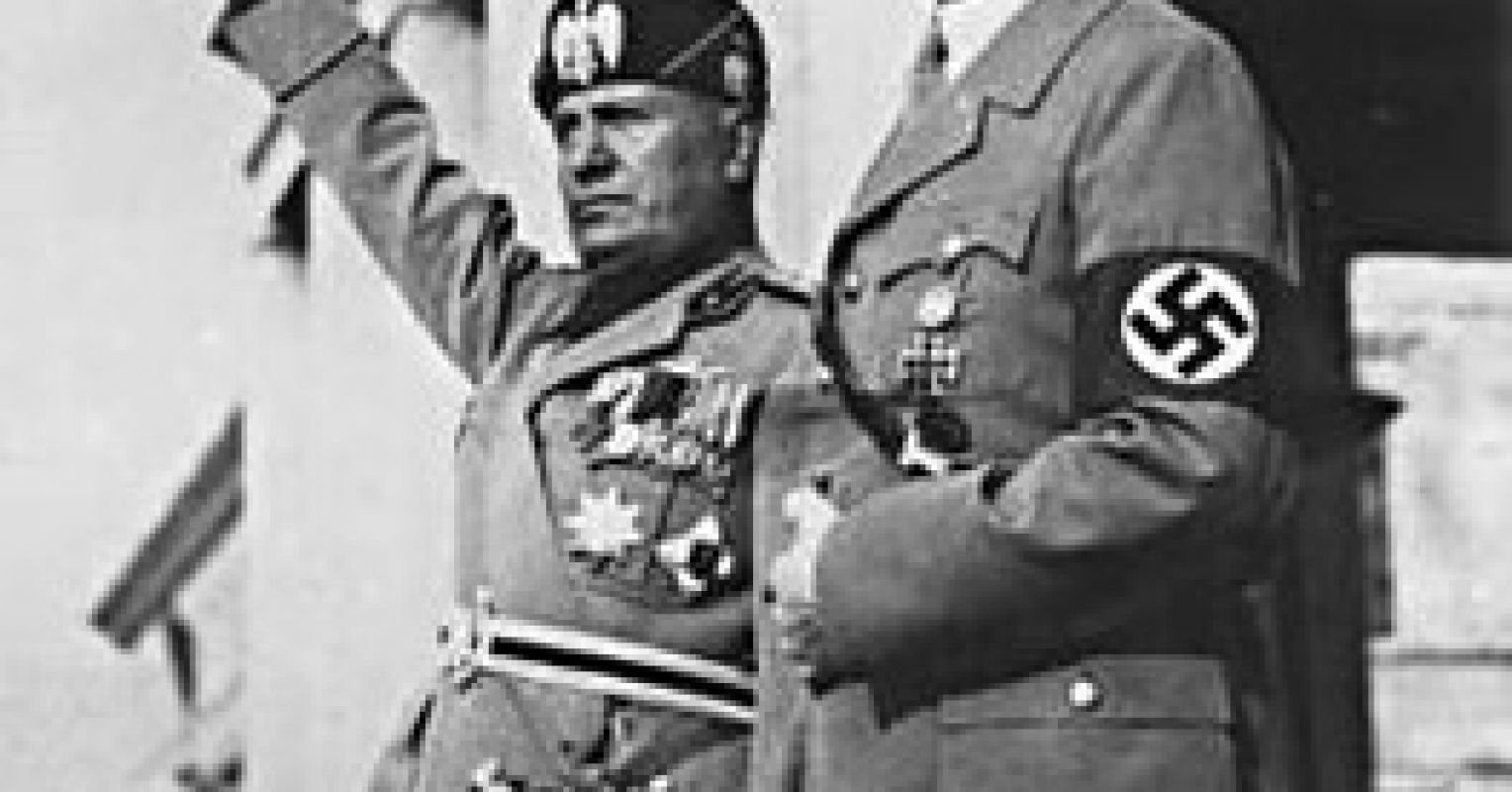
The article discusses how different political worldviews are influenced by specific principles, such as communism’s emphasis on state ownership and a classless society, and conservatism’s focus on individual ownership with minimal state interference. Fascism stands out as it is driven not by philosophy, but by the charisma and authoritarian traits of strongmen leaders, who often display narcissism and psychopathy.
Historical figures like Hitler, Mussolini, and Franco exemplify fascist regimes, which are marked by severe oppression, lack of civil liberties, and relentless persecution of dissent and minority groups. The concept of ‘pathocracy,’ coined by psychologist Andrzej Lobaczewski, describes a government led by a small pathological minority that exerts control over normal citizens. Lobaczewski’s experiences under Nazi and Soviet rule influenced his studies on the correlation between political power and personality disorders.
The article introduces the idea of ‘psychological disconnection,’ where leaders with extreme narcissistic traits are drawn to power, characterized by a lack of empathy and a desire for control. These traits manifest in nationalistic and authoritarian policies that prioritize their self-interest and lead to oppression. Such leaders, regardless of their ideological orientation, tend to become increasingly extreme and paranoid over time, resulting in growing authoritarianism and destructive behavior.
The implications of these traits in current politics are left for readers to contemplate.
