



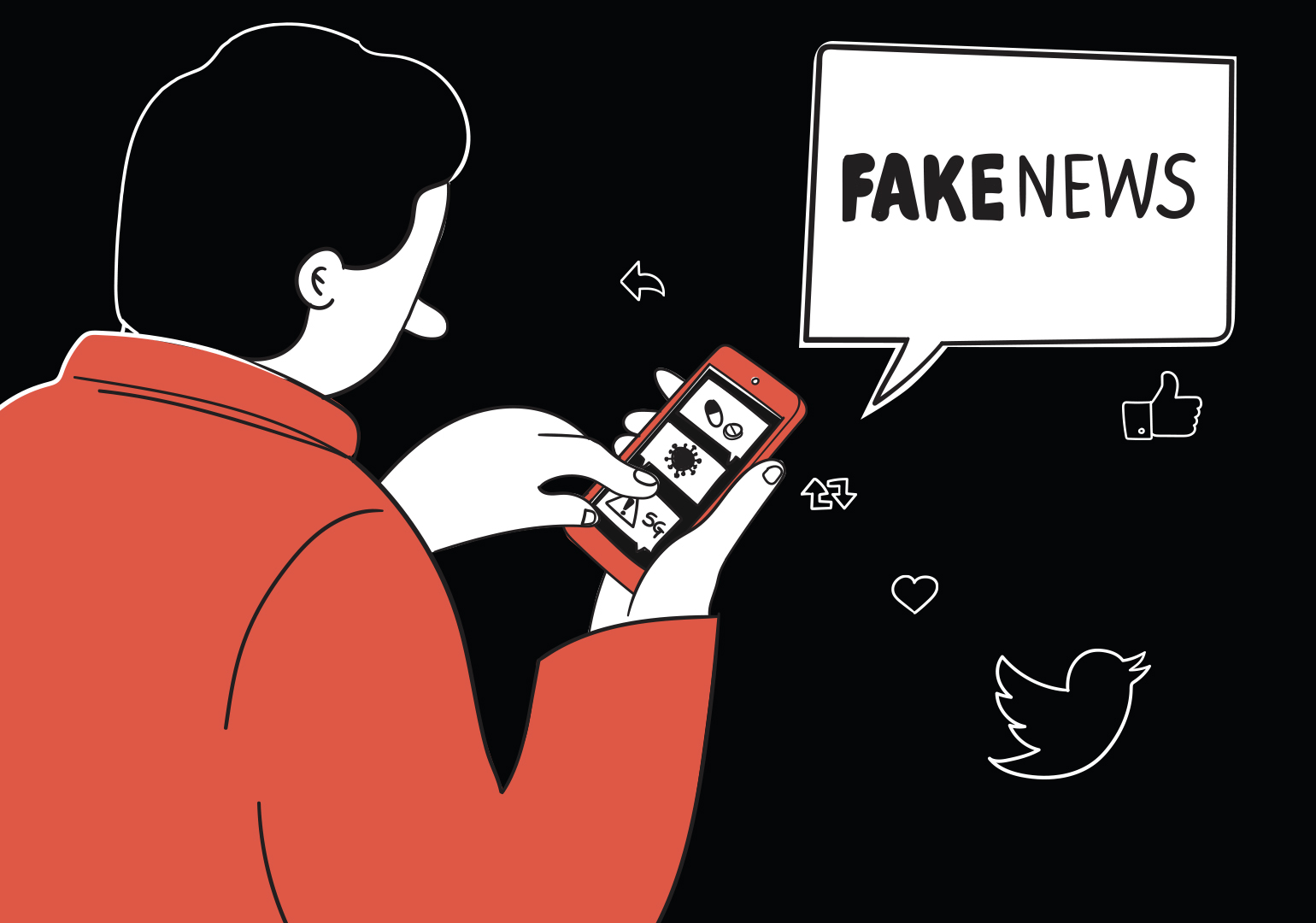
Disinformation has gained prominence as a significant issue in recent years, particularly since events like the 2016 U.S. presidential election and the Brexit referendum. This concern intensified during the coronavirus pandemic, with widespread dissemination of false and misleading information. However, recent original research on this topic is scarce.
In “Seeing Is Disbelieving: Why People Believe Misinformation in War, and When They Know Better,” Daniel Silverman presents a novel perspective on the susceptibility of individuals to misinformation in conflict zones. He argues that those closer to the fighting are more likely to seek and believe accurate information due to their immediate stakes in the situation, while those at a distance are more prone to believe inaccuracies, particularly if they are embedded in partisan communication networks.
Silverman employs mixed-methods analysis involving surveys, interviews, and military strike data from various conflicts, notably the U.S. drone war against the Taliban in Pakistan and the wars in Iraq and Syria. His findings highlight how proximity to military actions influences belief in misinformation, noting that Pakistani civilians near drone strikes were more accurate in their perceptions compared to those further away.
The book is praised for its focus on the micro dynamics of belief in misinformation within war zones. It challenges existing research by exploring how individual circumstances affect susceptibility to false information. Silverman’s insights could reshape strategies for counterinsurgency and communication efforts in ongoing conflicts, emphasizing the importance of targeting populations distant from conflict who are more easily misled.
Additionally, Silverman draws parallels between the dynamics of misinformation in war and in crises like pandemics and climate change, suggesting different cognitive effects influencing belief in such contexts. While his research underscores the urgency of disseminating accurate information from conflict zones, it also questions how these insights could be applied to mitigate disinformation’s impact on democracy and social cohesion.
Overall, “Seeing Is Disbelieving” presents an invaluable contribution to understanding the complexities of belief in misinformation, suggesting new avenues for future research and communication strategies.
