



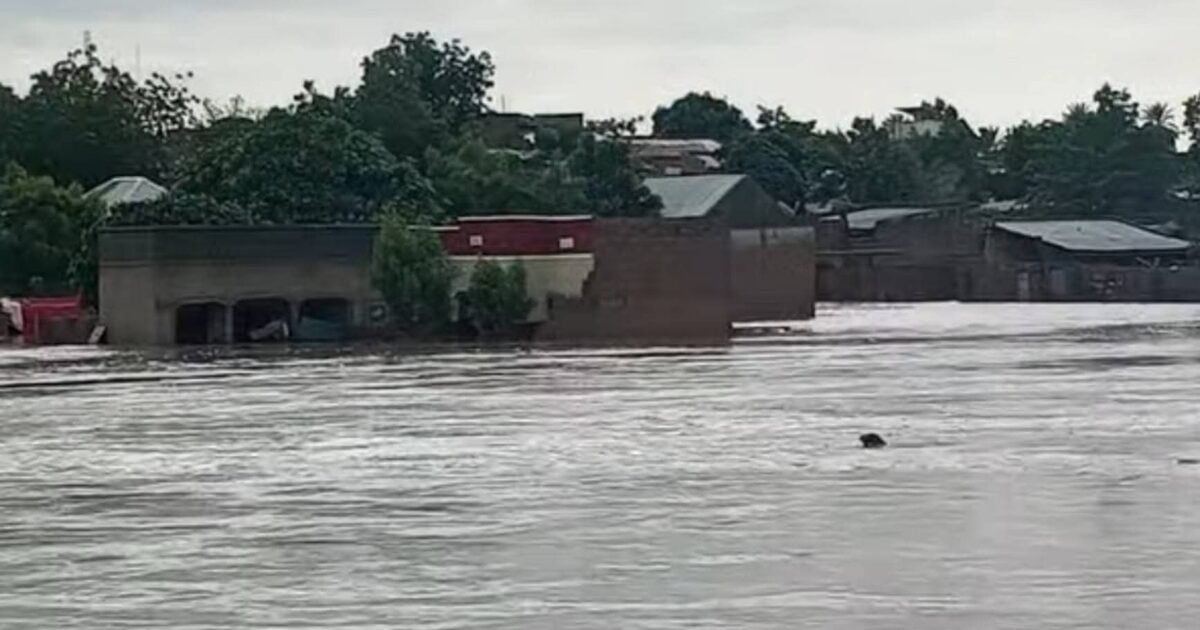
Nigeria and much of West Africa are facing a worsening climate crisis that threatens livelihoods and security. Once seen as a distant problem, climate change is now causing daily challenges, destroying homes and displacing millions. Over the past decade, extreme weather—droughts, floods, desertification, and rising temperatures—has disrupted agriculture, affecting over 60% of the population reliant on it. In northern Nigeria, prolonged droughts have forced farmers and herders southward, intensifying conflict.
Flooding has become a frequent disaster, notably in 2022 when Nigeria experienced severe flooding, displacing over 1.4 million people. The situation is echoed in Ghana, Sierra Leone, and Niger. The shrinking of Lake Chad is another significant environmental issue, losing over 90% of its surface area since the 1960s, leading to unemployment and increased criminality.
Urban areas like Lagos, Accra, and Dakar struggle with rapid expansion, poor planning, and pollution, worsening flooding and heatwaves. Local factors like deforestation and fossil fuel reliance exacerbate environmental degradation, while enforcement of existing environmental laws remains weak.
The human cost includes rising food prices, water scarcity, and increased reliance on aid, particularly affecting women and children. Although international agencies offer relief programs, experts stress the need for adaptation and preventive measures, such as sustainable agriculture and climate education.
Nigeria’s recent climate agreements signal progress, but effective implementation is crucial. The National Council on Climate Change aims to coordinate responses, yet many citizens are uninformed about its policies. Without political will and community engagement, initiatives risk becoming ineffective. The climate crisis is urgent; decisive action is needed to avoid irreversible ecological disaster and to foster sustainable recovery in the region.
