


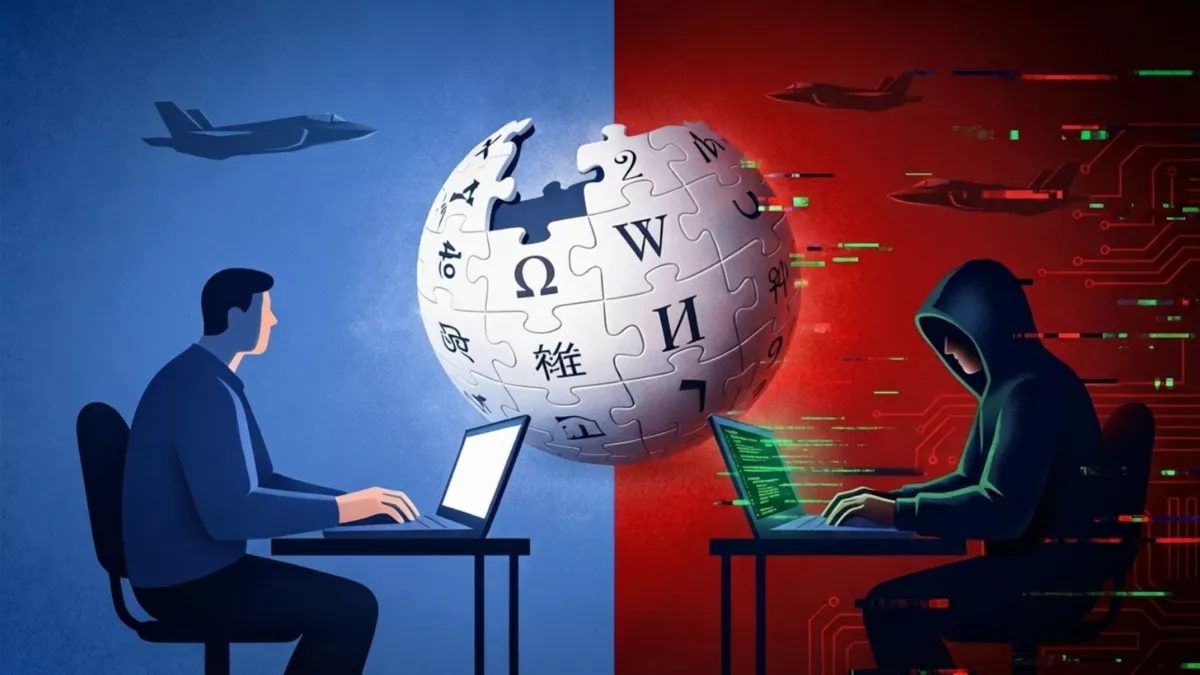
As Wikipedia approaches its 25th anniversary in 2026, it faces challenges from coordinated edit wars, primarily driven by Kremlin-aligned actors aiming to manipulate historical narratives and spread disinformation. Founded on collaborative, neutral principles, Wikipedia has become a significant platform for information, but recent geopolitical tensions, particularly since Russia’s invasion of Ukraine, have intensified these “edit wars.”
Edit wars occur when groups repeatedly modify content instead of resolving disputes through discussion, often leading to the normalizing of distorted narratives. These actors target articles about Eastern Europe and key figures, with Estonia and EU leader Kaja Kallas frequently affected. Tactics include changing locations of birth for notable Estonians to suggest they were part of the Soviet Union, reframing historical events, and exploiting Wikipedia’s procedures to lock pages during favorable edits.
The implications of these manipulations extend beyond Wikipedia, influencing how history is perceived globally, particularly as Wikipedia serves as a foundational source for AI systems like ChatGPT. This shift in information warfare emphasizes the dangers of subtle, platform-native manipulation over traditional propaganda, making Wikipedia a critical battleground for shaping public understanding of history and politics.
