



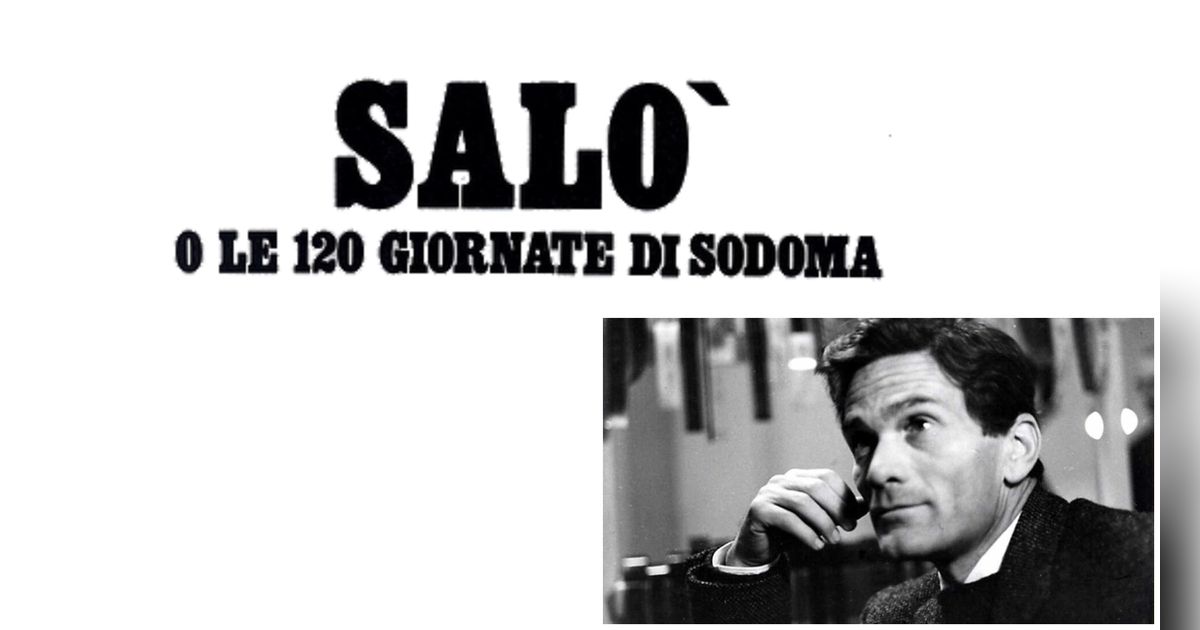
On September 12, 1943, German forces rescued Benito Mussolini from captivity, leading to the establishment of the Republic of Salò, a puppet state in northern Italy where Mussolini was set up as a figurehead. This republic lasted until April 1945, when Mussolini was captured and executed.
Thirty years later, filmmaker Pier Paolo Pasolini released “Salò, or the 120 Days of Sodom,” inspired by the cruel themes of the Marquis de Sade’s work. The film depicts four fascist leaders who inflict extreme violence and sexual perversion on kidnapped teenagers, drawing connections to modern horror films and societal issues.
In light of recent events related to Jeffrey Epstein, critics have noted parallels between the film’s depiction of exploitation and contemporary realities. Pasolini’s portrayal illustrates the oppressive nature of fascism, emphasizing moral decay and complicity within societies. His work challenges audiences to confront their own responsibilities in witnessing such horrors.
Pasolini’s warnings about the rise of fascism continue to resonate today, reflecting concerns over current global democratic backsliding.
