


A year after the UK’s National Crime Agency dismantled a significant Russian-led money laundering scheme, an update reveals both progress and ongoing concerns. The agency has traced the network to tycoon Ilan Shor and a Kyrgyzstani bank, indicating the scheme is still operational. Recent arrests of cash couriers carrying significant sums reflect the organization’s lack of fear regarding capture.
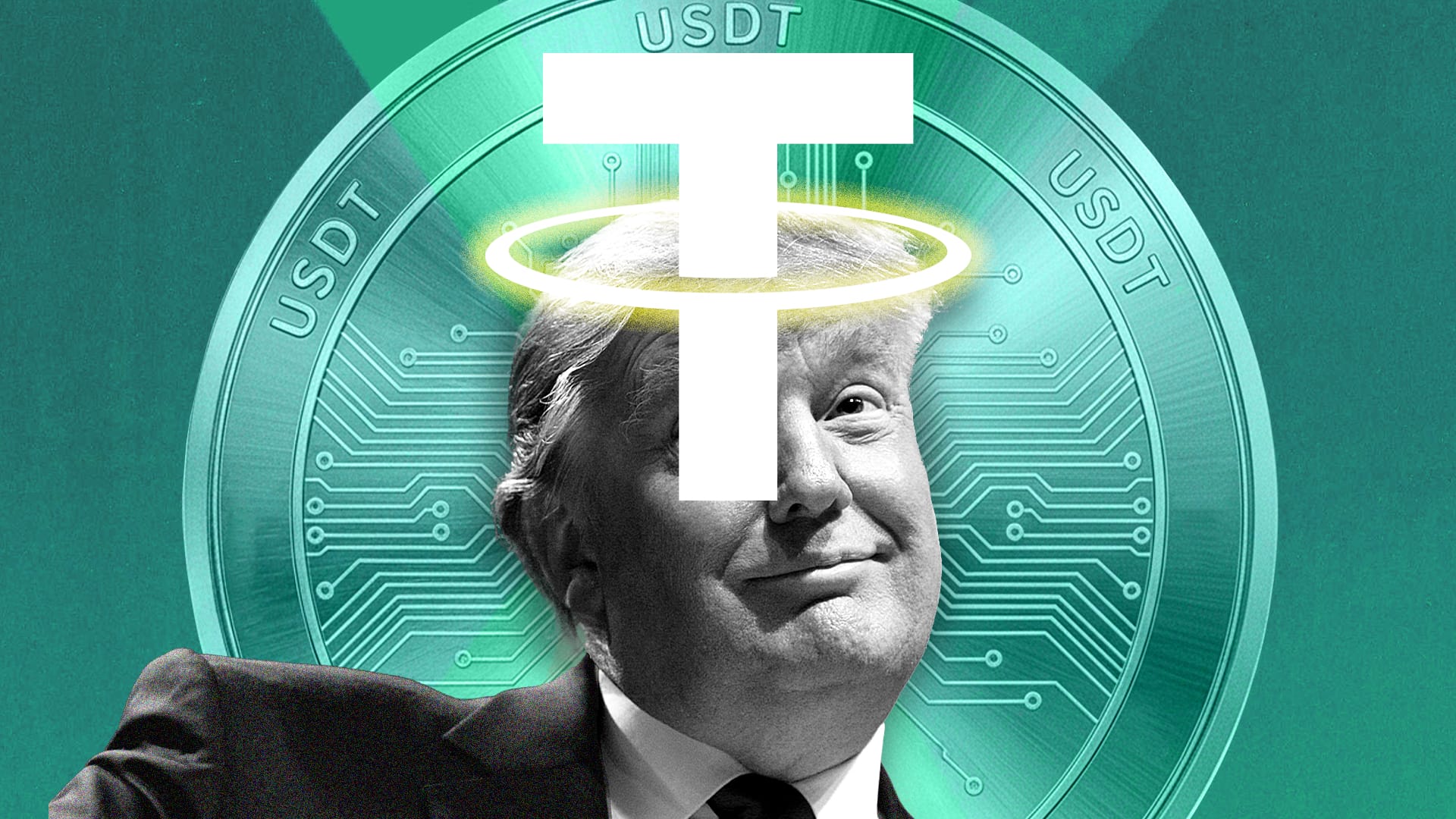
The laundering operation involves swapping criminal cash for the cryptocurrency USDT, which law enforcement sources indicate remains the dominant token used in these transactions. Unlike traditional banks, which would face heavy penalties for such activities, Tether, the issuer of USDT, continues to thrive, reporting $10 billion in profits in 2025 and holding extensive assets, including gold and US government debt.
Law enforcement expresses frustration over the difficulty of regulating cryptocurrencies, especially given political ties to figures like Trump. There are suggestions that a shift in congressional power could spark investigations into financial connections between cryptocurrency sales and international entities.
On a progressive note, the UK’s Companies House is attempting to enhance transparency by introducing more rigorous identification checks for company registrations, an effort to combat money laundering. However, challenges linger, particularly in ensuring compliance across all British territories and addressing gaps in American corporate registry practices.
Overall, while some steps toward transparency are being made, significant issues in the global financial system persist.
