



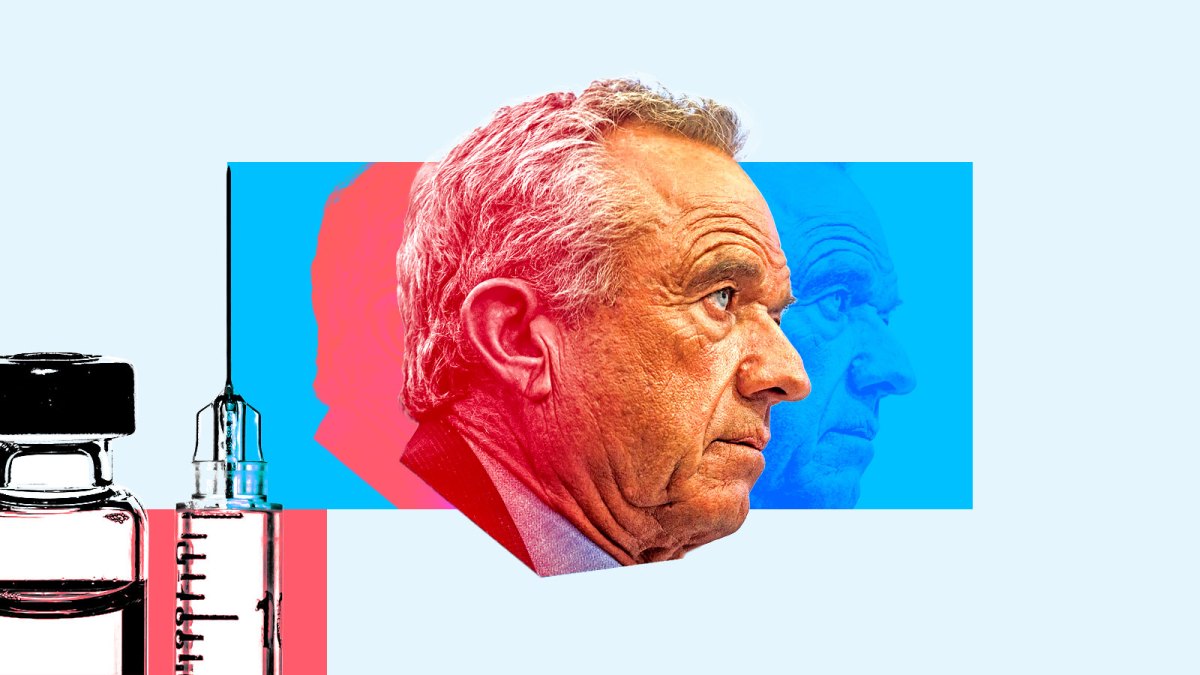
At Building 21, the CDC’s headquarters in Atlanta, staff are adopting a low profile to cope with the upheaval following Robert F. Kennedy Jr.’s appointment as Health Secretary. Amid fears of surveillance from the Department of Government Efficiency (Doge), employees avoid Zoom meetings, hold discussions in soundproof offices, and use notebooks instead of computers. Since Kennedy took office in February, over 10,000 staff have been fired, disrupting decades of expertise and leading to widespread anxiety among remaining workers.
Kennedy’s reforms have redefined health priorities, dismissing longstanding scientific practices and cancelling numerous research programs deemed “woke.” Critics describe the situation as chaotic, with vital initiatives, particularly around vaccine safety and chronic disease prevention, being dismantled. Kennedy’s controversial approach to vaccines has raised concerns, particularly after he fired the advisory committee on immunization practices, claiming conflicts of interest.
The response from insiders is grim, with many fearing that the administration’s actions will worsen public health. Programs aimed at preventing diseases and ensuring food safety are being slashed, leaving critical gaps in oversight and research capabilities. As anxiety grows, many current and former employees express doubts about the future and their ability to operate under what they perceive as anti-science governance.
